- Define different telemedicine modalities and use cases
- Understand the technology requirements for telehealth
- Analyse regulatory and reimbursement considerations
- Evaluate the effectiveness of virtual care delivery
Introduction
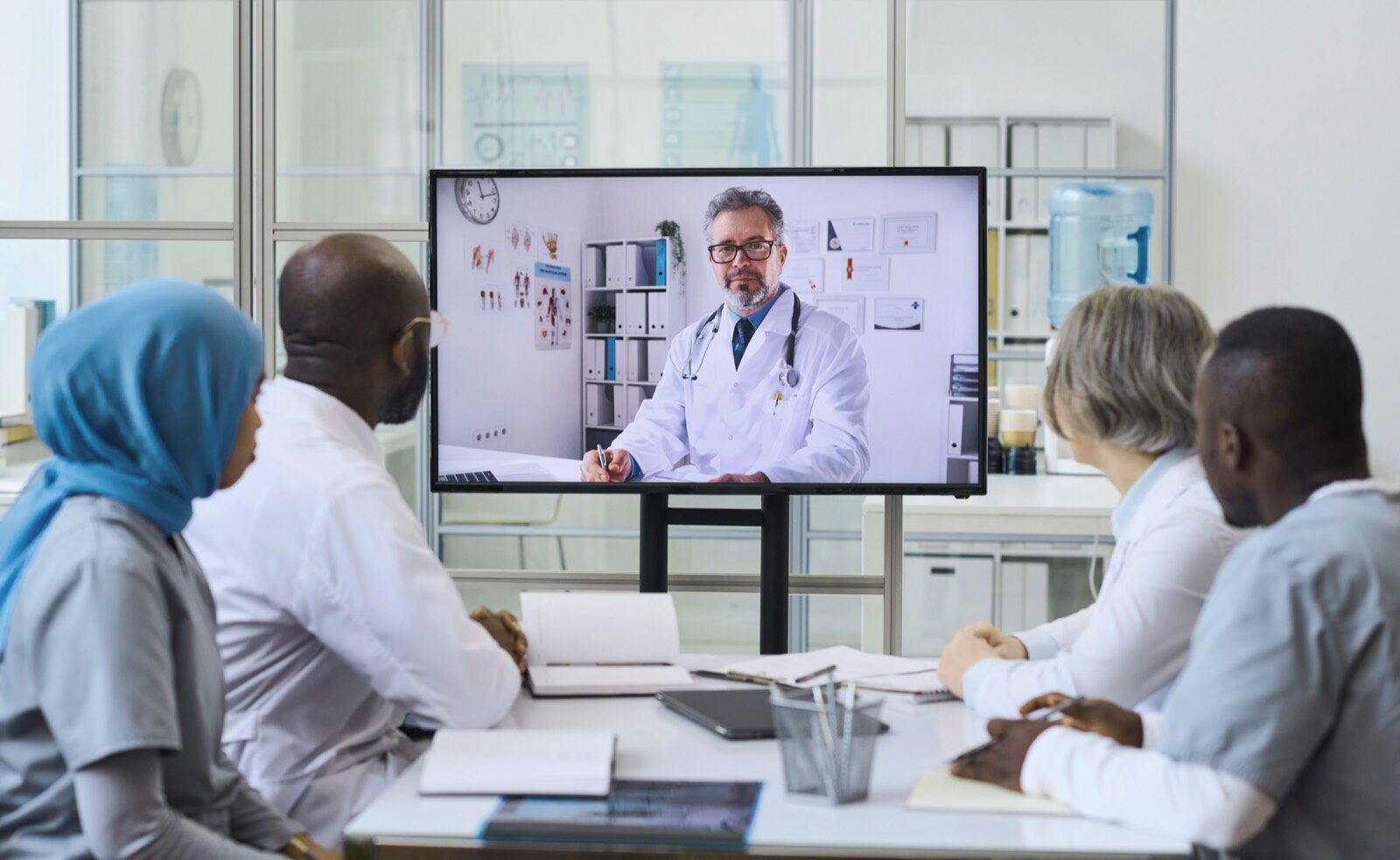
Telemedicine - the delivery of healthcare services using telecommunications technology - allows clinical consultations, diagnosis, treatment, and monitoring to take place when patients and providers are not in the same location. For decades it remained a niche service, used mainly to connect rural or underserved populations with specialist expertise. The COVID-19 pandemic changed this abruptly: telemedicine moved from the margins of healthcare delivery to the mainstream within a matter of weeks, and much of that shift has proved durable.
This chapter examines the principal telemedicine modalities, the technology infrastructure they require, the regulatory and reimbursement environment, and the evidence on clinical effectiveness. It also considers the equity implications of virtual care and the practical challenges of integrating it into existing clinical workflows.
This chapter extends concepts from Chapter 1: Introduction to Digital Health and Chapter 2: Electronic Health Records. The foundational understanding of digital health technologies provides context for telemedicine's role, while knowledge of EHR systems is needed to understand how virtual care integrates with clinical documentation, scheduling, and care coordination.
Telemedicine Modalities
Consider two patients with the same skin concern: a suspicious mole. The first lives in central London, ten minutes from a dermatology clinic. The second lives on a Scottish island, a ferry ride and a four-hour drive from the nearest dermatologist. Traditional healthcare would have given the first patient rapid access and left the second waiting months or travelling for an entire day. Telemedicine changes this equation through a toolkit of virtual care modalities, each evolved to address different clinical needs and circumstances.
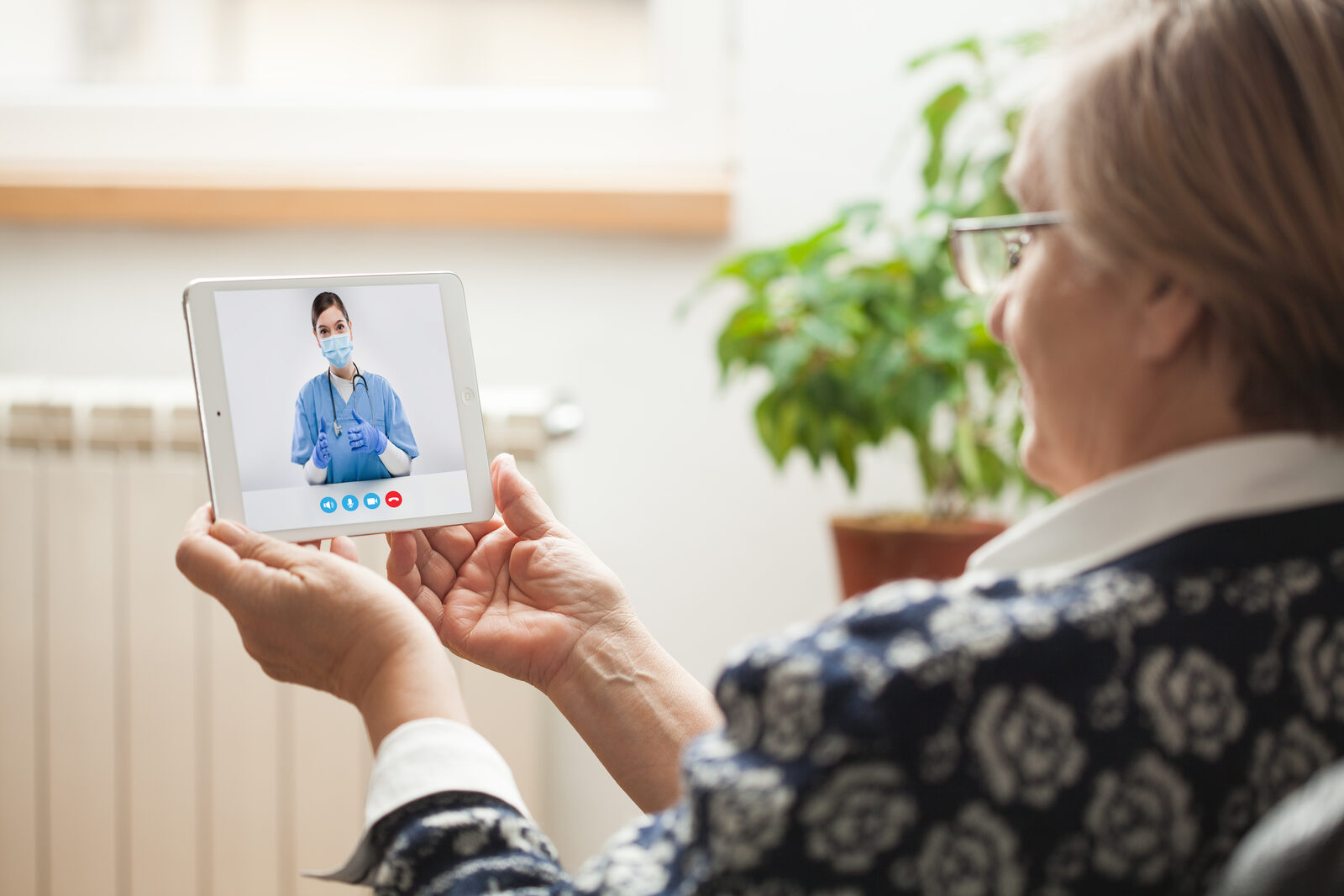
The most familiar modality, synchronous telemedicine, recreates the traditional consultation through real-time video. When a patient in Cornwall connects with their GP via video, both parties see each other, converse naturally, and build the kind of rapport that sustains therapeutic relationships. The GP can observe the patient's demeanour, assess visible symptoms, and conduct a modified examination through guided self-assessment. Video consultation works particularly well for mental health services, where the visual connection supports therapeutic alliance, and for follow-up appointments where the clinical relationship is already established. However, synchronous care demands that both patient and provider be available simultaneously and that technology works reliably, constraints that limit its universality.
Reflect on a time when you or someone you know accessed healthcare through a virtual consultation. What aspects of the experience worked well? What felt different from an in-person visit? How might the limitations of virtual care have affected the clinical encounter or outcomes?
When video is not possible, whether due to limited broadband, patient preference, or urgent need, audio-only telephone consultation offers an alternative. It lacks visual assessment but is the most widely accessible modality, since nearly everyone can participate with no app download or equipment setup. During the COVID-19 pandemic, telephone consultations absorbed demand that video infrastructure could not scale to meet.
Yet not all clinical questions require real-time interaction. Return to our patient on the Scottish island: rather than scheduling a video call with a dermatologist, they might simply photograph the suspicious mole and submit the image through a secure portal. This asynchronous approach, sometimes called store-and-forward, allows the dermatologist to review the image at their convenience, often providing an opinion within days. The patient avoids the scheduling complexity of synchronous care, and the dermatologist can review cases in concentrated blocks, improving efficiency. Radiology has operated on store-and-forward principles for decades; images captured in one location are routinely interpreted by radiologists hundreds of miles away. Dermatology, ophthalmology, and pathology have followed suit, demonstrating that many clinical decisions do not require real-time presence.
For patients with chronic conditions, the most valuable telemedicine modality may be one that operates largely invisibly: remote patient monitoring. Connected devices - scales, blood pressure cuffs, glucose monitors - transmit readings automatically to care teams, transforming care from episodic encounters to ongoing surveillance. Subtle changes become visible before they trigger a crisis, enabling early intervention. The technology and clinical applications of remote patient monitoring are examined in detail in Chapter 4: Mobile Health and Connected Devices.
Finally, electronic consultations (eConsults) address a different gap entirely. When a GP in Swansea wonders whether a patient's cardiac murmur warrants specialist evaluation, traditional pathways would mean a referral, a wait for an appointment, and a hospital visit that might conclude with "continue current management." Through eConsult, the GP sends the clinical question and relevant information through the electronic health record. The cardiologist reviews the case asynchronously and replies, perhaps advising that the murmur is benign and suggesting specific monitoring parameters. The patient receives expert input without ever visiting the hospital, the specialist's time is used efficiently, and the healthcare system avoids an unnecessary appointment. Each modality addresses a different need: real-time connection, accessibility, flexibility, continuous monitoring, or specialist expertise.
Table 3.1: Telemedicine Modalities Comparison
| Modality | Description | Timing | Best Use Cases | Limitations |
|---|---|---|---|---|
| Synchronous (Video) | Real-time video consultation | Live interaction | Mental health, follow-ups, visual assessment | Requires scheduling, reliable connectivity |
| Audio-only (Phone) | Telephone consultation | Live interaction | Simple queries, accessibility needs, urgent triage | No visual assessment |
| Asynchronous (Store-and-forward) | Images/data sent for later review | Flexible | Dermatology, radiology, pathology | No real-time dialogue |
| Remote Patient Monitoring | Continuous data from connected devices | Ongoing | Chronic disease management, post-discharge | Device costs, data overload risk |
| eConsult | Specialist advice via EHR messaging | Asynchronous | Primary care seeking specialist input | Limited to defined clinical questions |
Technology Infrastructure
In March 2020, healthcare systems worldwide faced an impossible task: transform decades of in-person care delivery into virtual services within weeks. Practices that had never conducted a video consultation were suddenly attempting thousands. The technology worked, sometimes brilliantly, sometimes barely, and the experience revealed both what infrastructure telemedicine requires and what happens when that infrastructure is incomplete.
At the centre of any telemedicine system sits the video platform itself. Consumer tools like Zoom and FaceTime can technically connect patients with providers, but healthcare-specific platforms offer important additions: virtual waiting rooms where patients check in before providers join, integration with electronic health records so visits appear on the same schedule as in-person appointments, and documentation tools that streamline post-visit note-writing. The platform must balance competing demands: sufficient video quality for clinical assessment (can you see the rash clearly? observe the patient's breathing pattern?) while remaining simple enough that an 85-year-old encountering video consultation for the first time can manage it. Platforms that require app downloads, account creation, or complex permissions create barriers; those that work through simple browser links maximise accessibility.
Yet the platform matters little if the connection fails. Video consultation demands stable broadband, ideally at least 10 Mbps for reliable high-definition video, and this requirement creates a divide in telemedicine access. Urban areas typically have robust connectivity; rural regions often do not. Socioeconomic factors compound the geographic divide: lower-income households are less likely to have home broadband, relying instead on mobile data plans that may be unreliable or expensive. When a video call freezes mid-consultation, clinical assessment becomes impossible and patient frustration mounts. Some healthcare systems have responded by establishing "telemedicine hubs", community locations with reliable connectivity where patients can attend virtual appointments, though these compromise the convenience that makes telemedicine attractive in the first place.
The device question creates further complexity. Smartphones are ubiquitous, but their small screens limit clinical utility; examining a skin lesion through a five-inch display is challenging. Tablets and laptops offer better viewing but require separate purchases, and not every patient owns one. Healthcare organisations face a choice: rely on whatever devices patients already have, accepting the limitations, or invest in providing tablets or other equipment to patients who need them. Some programmes targeting high-risk chronic disease patients have found that providing devices and connectivity pays for itself through reduced hospitalisations, but universal device provision remains economically challenging.
Beyond the basic video connection, peripheral devices can transform what is possible in a virtual visit. During an in-person consultation, the clinician can check vital signs; during a video call, they cannot, unless the patient has connected devices at home. A patient with hypertension might measure their blood pressure during the video call, sharing readings in real-time. A patient with suspected infection might use a digital thermometer. Consumer-grade devices suffice for occasional measurements, but patients requiring ongoing monitoring (heart failure patients tracking daily weights, diabetic patients uploading glucose readings) benefit from medical-grade devices designed for accuracy and seamless data transmission. The emerging field of remote physical examination goes further still: digital stethoscopes that transmit heart and lung sounds, smartphone-compatible otoscopes for ear examination, and high-resolution cameras for detailed skin assessment. These tools do not replicate hands-on examination, but they narrow the gap between virtual and in-person assessment.
Finally, security requirements constrain what platforms and practices are permissible. Patient health information demands protection whether shared in a consulting room or transmitted over the internet. Encryption must protect video streams from interception; recorded sessions require secure storage; authentication must ensure that patients and providers are who they claim to be. Regulatory frameworks like HIPAA in the United States impose specific requirements, and healthcare organisations typically require platforms to sign business associate agreements accepting responsibility for data protection. During the pandemic, regulators temporarily relaxed these requirements, allowing use of consumer platforms like FaceTime that would not normally meet healthcare security standards. This reflected a pragmatic recognition that imperfect telemedicine was preferable to no care at all. As telemedicine matures, however, the expectation is that security standards return to pre-pandemic rigour, with platforms purpose-built for healthcare rather than adapted from consumer tools.
Clinical Applications
Telemedicine has found application across most clinical domains, though its suitability varies considerably by speciality, clinical scenario, and patient population.
Primary Care and General Practice
In UK general practice, remote consultations expanded rapidly during the COVID-19 pandemic and have remained a significant proportion of GP contacts since. The shift has generated intense and ongoing debate. For straightforward consultations - medication reviews, stable chronic disease follow-up, minor illness in otherwise well adults - remote access offers clear advantages in convenience, reduced travel burden, and efficient use of clinical time. The picture is less favourable for undifferentiated presentations, complex multimorbidity, and patients who struggle with technology or simply prefer face-to-face contact. Telephone and video triage can miss serious conditions, and the administrative burden of managing multiple consultation channels (telephone, video, online, in-person) can exceed that of traditional appointment models.
There are also workload concerns that deserve frank acknowledgement. Online consultation systems introduced with the promise of efficiency have sometimes increased demand without a proportionate increase in resource. Asynchronous messaging creates an expectation of rapid response without protected time to provide it, and lowering barriers to access may increase overall contact volume. Sustainable primary care telemedicine requires honest assessment of these workload effects and appropriate resourcing, rather than an assumption that digital access is inherently more efficient.
Mental Health
Mental health services have proved particularly well suited to telemedicine delivery. Psychotherapy translates well to video format - the therapeutic alliance can be maintained effectively on screen - and medication management for psychiatric conditions can be conducted virtually without significant loss of clinical information. For many patients, the privacy and convenience of attending from home may actually reduce barriers to seeking help, and telemedicine has meaningfully expanded access in areas with limited psychiatric services.
Other Specialities
The applicability of telemedicine to other specialities depends largely on how much clinical assessment relies on physical examination. Dermatology has adopted both synchronous video and asynchronous image-based (store-and-forward) approaches with considerable success; cardiology uses remote monitoring of implantable devices and home blood pressure data; neurology has found video assessment useful for conditions such as movement disorders where observation is more informative than palpation. Surgical specialities tend to use telemedicine for pre-operative evaluation and post-operative follow-up, reserving in-person visits for procedures and examinations that require hands-on assessment.
Urgent care telemedicine offers convenient access for acute minor conditions, though it requires careful triage to ensure that patients who need in-person assessment are identified reliably. Paediatric telemedicine presents its own challenges: engaging children through a screen requires different skills from adult consultation, and parents take on a more active role as the clinician's proxy for examination manoeuvres and observations.
Table 3.2: Telemedicine by Clinical Speciality
| Speciality | Suitability | Common Use Cases | Key Considerations |
|---|---|---|---|
| Primary Care | High | Acute minor illness, chronic disease follow-up, medication reviews | Triage needed to identify in-person needs |
| Mental Health | Very High | Psychotherapy, medication management, crisis intervention | Strong evidence base, privacy advantages |
| Dermatology | High | Skin lesion assessment, acne, rashes, follow-up | Store-and-forward effective, image quality critical |
| Cardiology | Moderate-High | Device monitoring, heart failure management, post-procedure follow-up | Remote monitoring devices enhance capability |
| Urgent Care | Moderate | Minor injuries, infections, UTI, medication refills | Must ensure appropriate triage for emergencies |
Implementation Considerations
Implementing telemedicine well requires more than installing a video platform. Virtual workflows differ from in-person workflows in ways that are easy to underestimate: scheduling must accommodate both modalities (some organisations dedicate time blocks to virtual visits; others interleave them throughout the day); patients need preparation and sometimes technical support before their first video consultation; and the consultation itself requires adaptation of clinical skills - conducting an effective assessment through a screen, using patient-reported observations and guided self-examination, and maintaining rapport without the physical cues of a shared consulting room.
Training is often underinvested. Clinicians may be shown how to use the technology but given little guidance on how to adapt their clinical technique to a virtual format, or how to recognise when a consultation needs to be converted to an in-person visit. Quality assurance for telemedicine should track not only patient satisfaction and connection reliability but also clinical outcomes, to ensure that the convenience of virtual care is not achieved at the expense of diagnostic accuracy (American Telemedicine Association, 2018).
Regulatory and Reimbursement Considerations
The regulatory environment significantly shapes telemedicine availability and adoption. Licensure requirements historically required providers to hold licences in states where their patients were located. This constraint limited telemedicine across state lines and hindered development of national telemedicine services. Interstate medical licensure compacts have eased this barrier in participating states (IMLC Commission, 2024).
Prescribing regulations affect telemedicine practice, particularly for controlled substances. The Ryan Haight Act in the United States generally requires an in-person evaluation before prescribing controlled substances, though exemptions exist. Pandemic-era flexibilities allowing remote prescribing of controlled substances were extended through 31 December 2026 (DEA and HHS, 2025), and in January 2025 the DEA published a Notice of Proposed Rulemaking introducing a Special Registration for Telemedicine framework (Telemedicine Prescribing, Advanced Telemedicine Prescribing, and Telemedicine Platform Registrations) that remained under consultation as of mid-2026 (DEA, 2025). Narrower final rules in 2025 exempt VA practitioners from special registration and govern buprenorphine prescribing via telemedicine encounters.
Consider the barriers that might prevent certain patient populations from accessing telemedicine services effectively. How might factors such as age, socioeconomic status, geographic location, language, or disability affect a patient's ability to benefit from virtual care? What responsibilities do healthcare systems have to address these barriers?
Patient Perspective: Mrs Adebayo (Hypothetical)
Mrs Adebayo is a hypothetical patient whose experience is based on common patterns reported in the telemedicine literature. A 72-year-old grandmother living in rural Wales, she manages heart failure with the support of her daughter who lives two hours away. Her GP practice introduced video consultations during the pandemic. Mrs Adebayo initially struggled. Her broadband connection was unreliable, and she found the video interface confusing. However, the practice arranged for a community health worker to visit and help her set up the tablet her daughter had purchased. Now, Mrs Adebayo has monthly video check-ins with her heart failure nurse, avoiding the difficult journey to the hospital. When her daughter visits, they join consultations together from different locations. Her case illustrates both the barriers older patients face and the creative solutions (technology support, family involvement, and hybrid care models) that can address them.
Reimbursement policies determine the economic viability of telemedicine services. Historically, telemedicine reimbursement was limited and variable across payers. Medicare covered telehealth only in limited circumstances, primarily for beneficiaries in rural areas. Private insurers varied widely in telemedicine coverage.
The COVID-19 pandemic triggered substantial reimbursement expansions. Medicare temporarily covered telehealth visits for all beneficiaries regardless of location, paying rates equivalent to in-person visits. Many private insurers similarly expanded coverage. The Consolidated Appropriations Act (2023) extended many telehealth flexibilities through 31 December 2024, including the removal of geographic restrictions on originating sites and the ability for patients to receive telehealth services from home; the in-home flexibility for behavioural and mental health services, by contrast, was made permanent. Congress extended most remaining flexibilities through a series of stopgap measures; after a brief lapse during the October-November 2025 US government shutdown, coverage was retroactively reinstated, and the Consolidated Appropriations Act, 2026 extended most Medicare telehealth flexibilities through 31 December 2027, with the in-person requirement for tele-mental-health services delayed until 1 January 2028 (Cottrill et al., 2026). A permanent settlement remains unresolved.
The technical terminology of "originating site" (where the patient is located) and "distant site" (where the provider is located) reflects the regulatory framework's origins: Medicare historically required patients to be at approved originating sites, typically clinics in designated rural areas. The pandemic flexibilities that allowed patients to connect from home removed this restriction, and there is strong advocacy for making the change permanent.
Evidence and Effectiveness
A substantial evidence base has accumulated on telemedicine effectiveness (Totten et al., 2016), though the quality of individual studies varies and significant gaps remain. Patient satisfaction is consistently high when the technology works reliably; a systematic review (Kruse et al., 2017) examining 44 studies identified convenience, reduced travel, and shorter waiting times as the principal drivers of positive patient experience.
For clinical outcomes, the picture is broadly reassuring. Studies of teledermatology, telepsychiatry, and telecardiology generally find results comparable to in-person care for appropriately selected patients. Remote patient monitoring has shown particular promise for chronic disease management: a meta-analysis (Ding et al., 2020) found significant reductions in hospitalisations and emergency department visits, with the strongest effects in heart failure.
The cost evidence is less clear-cut. Direct healthcare costs may increase, decrease, or remain neutral depending on the specific application, the patient population, and what costs are counted. Patient-borne costs (travel, time off work) typically fall, but from the health system's perspective, telemedicine does not reliably save money - a finding that sometimes surprises its advocates. The case for telemedicine rests more on access and quality than on cost reduction. Rural populations, homebound patients, and those with transport difficulties benefit from virtual options, and specialist access improves when telemedicine bridges local workforce shortages. These benefits must be weighed against the real limitations of virtual assessment: physical examination is constrained, and clinical presentations that require hands-on evaluation need reliable triage pathways to in-person care.
Equity Considerations
Telemedicine is often described as a democratising force, but the same technology that improves access for some populations may widen disparities for others. The digital divide, examined in detail in Chapter 10: Patient Engagement and Digital Tools, follows familiar fault lines of disadvantage: age, income, geography, language, and disability all affect who can benefit from virtual care.
The pandemic revealed these disparities sharply (Eberly et al., 2020). Practices that shifted rapidly to telemedicine found that their most vulnerable patients often could not follow. Elderly patients without family support simply stopped accessing care. Those without reliable internet missed appointments through no fault of their own. What felt like expanded access to digitally comfortable patients felt like exclusion to others.
Telemedicine-specific equity interventions include device provision programmes, telemedicine-equipped community sites for patients without home technology, platforms designed for low-bandwidth environments, and simple browser-based interfaces rather than app downloads. Most importantly, equitable telemedicine maintains genuine choice: the option of in-person care must remain for patients who need it, prefer it, or simply cannot access virtual alternatives.
Future Directions
The telemedicine that emerged during the pandemic was, by necessity, improvised. What develops over the next decade is likely to be considerably more sophisticated, shaped by advances in artificial intelligence, by the evolution of hybrid care models, by growing interest in hospital-at-home programmes, and by expanding connectivity in low- and middle-income countries.
Artificial intelligence is already beginning to reshape virtual consultations. Ambient AI documentation, described in Chapter 6: Artificial Intelligence in Healthcare, is particularly valuable in telemedicine where typing during a video consultation is even more disruptive than during in-person encounters. Beyond documentation, real-time clinical decision support could surface relevant information during virtual visits, and AI-enhanced triage may help direct patients to the most appropriate level of care before they ever speak with a clinician.
The most significant evolution will be the move from "telemedicine or in-person" toward genuinely hybrid care models. The pandemic forced a binary choice (stay home or come in), but the future lies in flexible care relationships where modality varies by need. A patient with diabetes might have quarterly video check-ins, monthly review of remotely transmitted glucose data, and annual in-person visits for comprehensive examination. A patient recovering from surgery might have a video wound check at one week, an in-person examination at six weeks, and telephone follow-up thereafter. Clinicians and services will need explicit criteria for choosing modality: when visual connection changes management, when asynchronous messaging suffices, and when hands-on assessment is required.
The boundaries of remote physical examination continue to expand. Building on the peripheral devices described under Technology Infrastructure, the logical endpoint of this trajectory is remote examination kits that patients keep at home, guided by clinicians to perform standardised assessments during video visits. Such kits will not eliminate the need for in-person examination, since a clinician cannot palpate an abdomen or assess muscle tone through a screen, but they further narrow what requires physical presence.
Hospital-at-home programmes are demonstrating that even acute-level care can sometimes be delivered outside hospital walls. Patients with conditions like heart failure exacerbations, pneumonia, or cellulitis receive intensive remote monitoring (continuous pulse oximetry, frequent vital sign transmission, daily video visits with physicians) while remaining in their own homes, with rapid escalation available if needed. Early evidence suggests comparable or better outcomes for appropriately selected patients, with substantially better patient experience and lower costs. If these programmes scale, they may reshape assumptions about which care requires institutional settings.
Finally, telemedicine's potential extends far beyond wealthy healthcare systems with robust infrastructure. In low- and middle-income countries, mobile phone penetration has outpaced the development of traditional healthcare facilities. Telemedicine applications designed for low-bandwidth environments and basic smartphones can connect patients to clinical expertise that would otherwise be geographically impossible to access. Community health workers equipped with smartphone-based diagnostic tools can extend specialist consultation to remote villages. As healthcare systems worldwide develop digital capabilities, telemedicine may provide particularly significant benefits in contexts where traditional healthcare infrastructure is limited (WHO, 2019).
Can you answer these questions?
What is the difference between synchronous and asynchronous telemedicine, and when is each modality most appropriate?
What are the main telemedicine modalities (video, audio-only, store-and-forward, remote patient monitoring, eConsults) and their clinical applications?
How do regulatory requirements such as licensure, prescribing rules, and reimbursement policies affect the provision of telemedicine services?
What equity considerations must be addressed to ensure telemedicine does not widen existing healthcare disparities?
Summary
Telemedicine has moved from a niche service to an established component of healthcare delivery in most high-income countries. The evidence supports its use for a range of clinical applications, though it is better suited to some presentations and patient populations than others. The pandemic provided a large-scale natural experiment in rapid adoption: telehealth rose from 0.1% of US Medicare visits in 2019 to a peak of 47% in the second quarter of 2020, then settled at around 15% as in-person care resumed.
The principal challenges going forward are not primarily technical. They are about integrating telemedicine thoughtfully into clinical workflows, ensuring that equity is not sacrificed for convenience, managing the workload implications honestly, and maintaining the quality of clinical assessment when the consultation takes place through a screen.
Key Takeaways
Telemedicine modalities include synchronous video, audio-only, asynchronous store-and-forward, remote patient monitoring, and electronic consultations.
Effective telemedicine requires robust technology infrastructure including video platforms, adequate connectivity, appropriate devices, and EHR integration.
Clinical applications span primary care, mental health, speciality care, and urgent care, with appropriateness varying by clinical scenario.
Regulatory and reimbursement policies significantly shape telemedicine availability, with pandemic-era flexibilities expanding access.
Evidence supports telemedicine effectiveness for many applications, while equity considerations require active attention to avoid exacerbating disparities.
References
- American Telemedicine Association (2018). ATA Practice Guidelines for Live, On Demand Primary and Urgent Care. American Telemedicine Association.
- Cottrill A, Cubanski J, Neuman T (2026). What to Know About Medicare Coverage of Telehealth. KFF.
- Ding H, Chen SH, Edwards I, Jayasena R, Doecke J, Layland J, Yang IA, Maiorana A (2020). Effects of Different Telemonitoring Strategies on Chronic Heart Failure Care: Systematic Review and Subgroup Meta-Analysis. Journal of Medical Internet Research.
- Drug Enforcement Administration (2025). Special Registrations for Telemedicine and Limited State Telemedicine Registrations. Federal Register.
- Drug Enforcement Administration, Department of Health and Human Services (2025). Fourth Temporary Extension of COVID-19 Telemedicine Flexibilities for Prescription of Controlled Medications. Federal Register.
- Eberly LA, Khatana SAM, Nathan AS, et al. (2020). Patient Characteristics Associated With Telemedicine Access for Primary and Specialty Ambulatory Care During the COVID-19 Pandemic. JAMA Network Open.
- IMLC Commission (2024). Interstate Medical Licensure Compact. Interstate Medical Licensure Compact Commission.
- Kruse CS, Krowski N, Rodriguez B, Tran L, Vela J, Brooks M (2017). Telehealth and patient satisfaction: a systematic review and narrative analysis. BMJ Open.
- Totten AM, Womack DM, Eden KB, McDonagh MS, Griffin JC, Grusing S, Hersh WR (2016). Telehealth: Mapping the Evidence for Patient Outcomes From Systematic Reviews. AHRQ Technical Brief No. 26.
- World Health Organization (2019). WHO Guideline: Recommendations on Digital Interventions for Health System Strengthening. World Health Organization.