- Differentiate between AI, ML, and deep learning in healthcare
- Evaluate AI applications in clinical settings
- Assess the applications and risks of large language models in clinical settings
- Understand regulatory requirements for clinical AI
- Address ethical considerations in healthcare AI
Introduction
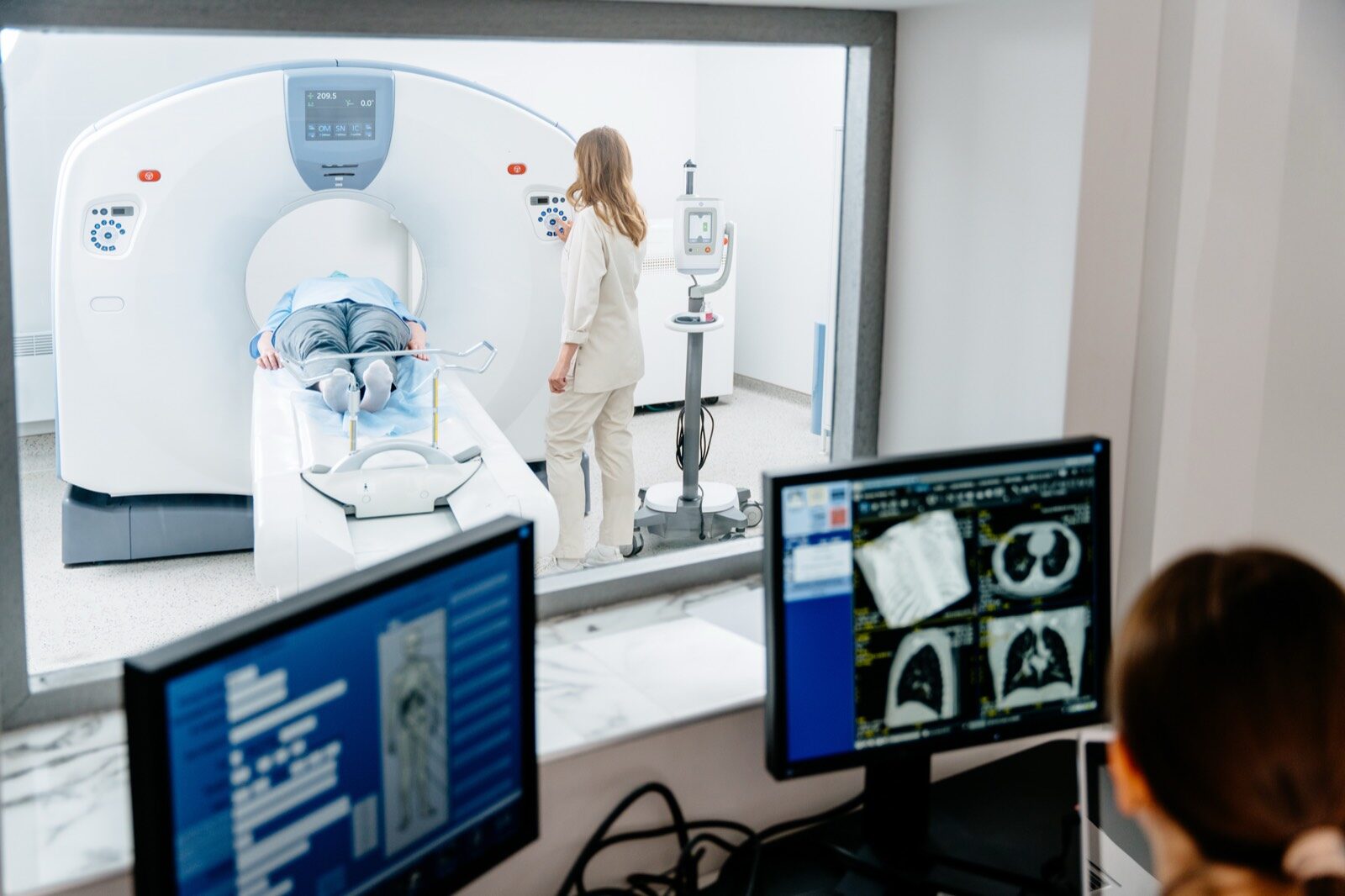
Artificial intelligence is entering clinical practice at a pace that few anticipated even five years ago. Algorithms that detect cancer in medical images, systems that predict patient deterioration, and tools that draft clinical documentation from recorded conversations are no longer research curiosities; they are being deployed in hospitals and general practices. Whether this represents a genuine transformation of healthcare or a technology whose promise exceeds its current evidence base is a question this chapter addresses from multiple angles.
The chapter begins with the technical foundations of AI and machine learning - enough to understand how these systems work and where they are likely to fail - before examining specific clinical applications, the practical challenges of implementation, the evolving regulatory environment, and the ethical questions that healthcare AI raises.
This chapter extends concepts from Chapter 5: Health Data & Analytics. Understanding data quality and analytics fundamentals will help you grasp how AI systems are trained and validated.
AI and Machine Learning Fundamentals
To understand healthcare AI, consider how a junior doctor learns to read chest X-rays. During training, they review hundreds of images alongside experienced radiologists, learning which shadows suggest pneumonia, which patterns indicate heart failure, and which findings warrant urgent attention. Over time, they develop pattern recognition that operates almost instinctively; seeing a new X-ray triggers recognition of similar cases they have studied before.
Machine learning works analogously. Rather than programmers writing explicit rules for every possible scenario, algorithms learn from examples. This represents a significant departure from traditional software development: instead of instructing a computer exactly how to identify pneumonia on an X-ray, developers show it thousands of labelled examples and let the algorithm discover the distinguishing features itself. Artificial intelligence, the broader field encompassing computer systems that perform tasks typically requiring human intelligence, includes machine learning as its most powerful contemporary toolkit.
The dominant approach in healthcare AI is supervised learning, where models learn from labelled training examples to make predictions about new cases. Training data quality determines everything: if a chest X-ray algorithm learns predominantly from images of elderly white patients captured on modern equipment, it may fail when encountering images from younger patients, different ethnic groups, or older imaging systems. This dependence on representative training data has significant implications for health equity, as we will explore in the ethics section.
Deep learning extends these principles using artificial neural networks with multiple layers, architectures loosely inspired by biological neurons. When a deep learning model analyses a medical image, early layers learn to detect basic visual elements like edges and textures. Middle layers combine these into recognisable shapes and structures. Later layers synthesise everything into clinically meaningful patterns. This hierarchical learning explains why deep learning excels at image recognition: it builds understanding from simple features to complex concepts, much as our visual cortex does. The trade-off is that deep learning requires substantially more data and computational power than simpler approaches.
Not all healthcare AI problems come with conveniently labelled training data, however. When researchers wanted to identify previously unrecognised patient subgroups (perhaps patients who respond differently to treatments despite appearing clinically similar), they turned to unsupervised learning. These algorithms discover structure in data without predefined labels, finding clusters of similar patients or flagging unusual cases that merit investigation. Such approaches have revealed distinct phenotypes within conditions previously considered homogeneous, suggesting opportunities for more tailored treatment.
A more exotic approach, reinforcement learning, works like training a dog: the algorithm takes actions, receives feedback on their success, and gradually learns optimal strategies. In healthcare, this approach has been explored for sequential decision problems such as sepsis management, where clinicians must choose among multiple interventions over time, though it remains at the research stage rather than in routine clinical use. Reinforcement learning algorithms can explore treatment strategies through simulation, learning from millions of synthetic patient trajectories what would take human clinicians many lifetimes to observe directly.
Table 6.1: Machine Learning Approaches in Healthcare
| Approach | Data Requirements | Strengths | Clinical Applications |
|---|---|---|---|
| Supervised Learning | Labelled examples (input-output pairs) | Accurate predictions, interpretable | Diagnosis prediction, risk stratification, image classification |
| Unsupervised Learning | Unlabelled data only | Discovers hidden patterns, no labelling needed | Patient clustering, anomaly detection, phenotype discovery |
| Reinforcement Learning | Environment with feedback signals | Optimises sequential decisions | Treatment planning, dose optimisation, resource allocation |
| Deep Learning | Large datasets, high compute | Complex pattern recognition | Medical imaging, NLP, genomics analysis |
Clinical Decision Support
A physician reviewing a complex case might consult a colleague, a textbook, or a clinical guideline. AI-powered clinical decision support extends this idea: an algorithm that has been trained on thousands or millions of similar cases can identify patterns and suggest possibilities that a single clinician, however experienced, might not consider. The important distinction from traditional rule-based systems - which can only apply knowledge that experts have explicitly articulated - is that machine learning can discover patterns that specialists have not consciously recognised.
Consider a challenging diagnostic scenario: a patient presents with vague symptoms that could indicate dozens of conditions. A differential diagnosis generator analyses the symptom pattern, laboratory values, and patient history, then surfaces possibilities the clinician might not have considered. This proves particularly valuable for rare diseases, where any individual physician may encounter a condition only once or twice in their career. The AI, trained on data from millions of patients, has effectively "seen" every rare presentation thousands of times. These systems augment clinical judgement, serving as cognitive aids that extend what clinicians can consider while leaving the synthesis and final decision to human expertise.
The same principle applies to treatment selection, but with an added dimension: personalisation. Oncology decision support systems illustrate this well. When planning cancer treatment, clinicians must weigh tumour genetics, patient age and fitness, comorbidities, prior treatments, and potential drug interactions. AI systems can integrate these factors with outcomes data from thousands of similar patients to suggest regimens most likely to benefit this specific individual. Precision dosing systems take personalisation further still, recommending medication doses tailored to individual pharmacokinetics by accounting for kidney function, liver metabolism, genetic variations in drug-processing enzymes, and concurrent medications.
The most impactful applications, however, are predictive rather than diagnostic. Risk prediction models continuously monitor patients for signs of impending deterioration that human observation might miss. By integrating vital signs, laboratory trends, nursing assessments, and medication records, early warning systems can identify patients likely to decline hours before clinical deterioration becomes obvious. This window for proactive intervention (treating sepsis before shock develops, preventing falls before they occur, intervening on heart failure before it decompensates) represents a shift from reactive to anticipatory care.
How much would you trust an AI system to make healthcare decisions for you or your family? What information would you need to feel confident in AI-assisted diagnosis?
Medical Imaging AI
In 2016, Geoffrey Hinton, a pioneer of deep learning, declared that people should "stop training radiologists now" because AI would soon surpass them (Torres, 2020). A decade later, radiologists remain indispensable, but they increasingly work alongside AI tools that have changed what is possible. Medical imaging represents AI's most successful healthcare domain because the visual pattern recognition at imaging's core aligns well with deep learning's strengths.
The story of why imaging AI works so well begins with what deep learning does best: finding patterns in high-dimensional visual data. A chest CT scan contains millions of data points; a radiologist reviews it for perhaps two minutes, relying on trained pattern recognition to flag abnormalities. AI excels at this same task, tirelessly screening every slice for lung nodules that human eyes might miss on a busy day. Beyond detection, AI quantification tools measure tumour volumes with greater precision and consistency than manual measurement, enabling more reliable tracking of treatment response. A radiologist's assessment of "slight decrease in tumour size" becomes an AI's precise "14.3% volume reduction since prior scan."
Yet the gap between AI performance on carefully curated research datasets and real-world clinical deployment remains significant. Research studies typically use high-quality images from standardised equipment; clinical practice delivers images of varying quality from diverse machines, depicting patients who may be sicker and more complex than research populations. This translation challenge affects all medical imaging AI, though progress continues.
These developments extend beyond radiology into pathology, where digitised tissue samples enable AI analysis that was impossible with traditional microscopes. Modern algorithms identify cancer cells, assess tumour aggressiveness, and predict molecular markers from standard pathology images that would traditionally require expensive genetic testing. This capability to infer molecular information from routine staining could democratise precision oncology, making sophisticated tumour characterisation available where specialised testing is unavailable or unaffordable.
Ophthalmology AI achieved a milestone in 2018 when the FDA authorised an AI system for autonomous diabetic retinopathy screening, meaning the algorithm could make diagnostic decisions without a physician reviewing each image. This represented a notable shift: AI operating independently in appropriate clinical contexts. The rationale was compelling: millions of diabetic patients need annual retinal screening, specialist capacity is limited, and the autonomous system exceeded its pre-specified accuracy endpoints in a prospective pivotal trial (Abramoff et al., 2018). Similar systems now screen for macular degeneration and glaucoma, extending ophthalmological expertise into primary care settings and underserved communities.
Also noteworthy is what AI has revealed about familiar technologies. Electrocardiograms have recorded the heart's electrical activity since the early 1900s, with interpretation criteria refined over decades. Yet AI analysis of ECGs has demonstrated the ability to detect conditions that cardiologists never thought visible in these tracings: reduced cardiac pumping function (Attia et al., 2019), elevated potassium levels (Galloway et al., 2019), and even a patient's age and sex (Attia et al., 2019). The algorithm is not reading the ECG as a human would; it has discovered patterns invisible to human perception but genuinely predictive. This phenomenon, where AI sees more than human experts in data we thought we understood completely, recurs across medical imaging and challenges our assumptions about what information medical tests contain.
Natural Language Processing
Medicine has always been a discipline of stories. Patients narrate their symptoms; physicians document their reasoning; consultants relay their impressions. This narrative information - embedded in clinical notes, discharge summaries, radiology reports, and pathology findings - contains clinical detail that structured data fields cannot capture. Yet until the late 2010s, it remained largely inaccessible to computational analysis. Natural language processing changes this, enabling computers to understand, interpret, and generate human language at scale.
The implications are substantial. Consider that the vast majority of clinical information exists as free text rather than structured data: a rheumatologist's assessment of disease activity, a surgeon's operative note, a psychiatrist's formulation. When researchers want to identify all patients who experienced a particular adverse drug reaction, or quality teams want to find cases of diagnostic delay, this information often exists only in narrative form. Clinical NLP extracts structured data from these texts, identifying diagnoses mentioned in notes, medications discussed in discharge summaries, and social circumstances documented by nurses. These capabilities transform previously inaccessible narratives into analysable data for research, quality improvement, and population health management.
The most immediately impactful NLP application, however, addresses a crisis in medicine: documentation burden. Physicians spend nearly two hours on documentation for every hour of direct patient care (Sinsky et al., 2016), contributing to epidemic levels of burnout. Ambient clinical intelligence systems offer a solution. These systems listen unobtrusively during patient encounters, capturing the conversation and generating draft clinical notes for brief physician review. Products including Microsoft's DAX Copilot (formerly Nuance DAX, rebranded following Microsoft's acquisition of Nuance in 2022), Abridge, Amazon HealthScribe, Suki, and others were, by 2025, deployed across thousands of clinics and hospitals. The results have been notable: documentation time reduced by 30-50% (Tierney et al., 2024), physicians leaving work earlier, and restored eye contact during consultations as clinicians stop typing and start listening. In the same evaluation, patients reported spending more time in conversation with their physician and less time watching the clinician type.
Beyond documentation, NLP enables subtler applications. Sentiment analysis can assess patient portal messages for signs of distress that warrant prioritisation, or scan clinical notes for language patterns associated with diagnostic uncertainty. Translation systems support care for patients who speak different languages, though medical terminology demands accuracy that general-purpose translation may not achieve. These applications represent early steps towards systems that understand clinical language in all its ambiguity.
Generative AI and Large Language Models
Large language models (LLMs) and generative AI have entered healthcare remarkably quickly since the emergence of GPT-4 and similar foundation models in 2023. Unlike traditional AI systems, which are trained for specific tasks (detecting a lung nodule, predicting sepsis), LLMs are general-purpose: they can summarise, answer questions, reason about clinical scenarios, and generate text without task-specific training.
In clinical practice, LLMs are being applied across several domains. The documentation applications described above (ambient AI scribes) represent the most mature use, but LLMs are also generating discharge summaries, referral letters, and patient-facing instructions from clinical notes. For clinical decision support, they can synthesise patient information alongside relevant literature and guidelines in ways that rule-based systems cannot - though the tendency of LLMs to produce confident-sounding but incorrect outputs (commonly termed "hallucinations") makes clinician oversight essential (Meskó and Topol, 2023). Patient communication is another growing application: automated responses to portal messages, appointment preparation instructions, and health education materials adapted to individual literacy levels can reduce the administrative burden on clinical teams while maintaining access.
Beyond direct clinical use, LLMs are finding a role in medical education - generating clinical cases, creating assessments, and providing personalised tutoring through simulated patient interactions - and in research, where they accelerate literature review, protocol development, and manuscript preparation. In all these applications, the same caveat applies: LLMs are fluent but not reliable, and human oversight remains necessary to catch errors that the model itself cannot recognise.
Large language models can generate plausible-sounding medical information that is factually incorrect. How should healthcare organisations balance the efficiency benefits of LLM-generated content against the risks of errors reaching patients or influencing clinical decisions?
Significant concerns accompany LLM deployment. Hallucinations, which are confident but incorrect outputs, pose patient safety risks if not caught through verification. Training data biases may perpetuate or amplify healthcare disparities. Privacy considerations arise when patient data is processed through external LLM services. Liability questions remain unresolved when AI-generated content contributes to adverse outcomes. Organisations deploying healthcare LLMs must implement robust governance frameworks addressing these risks.
Table 6.2: Large Language Model Applications in Healthcare
| Use Case | Benefits | Risks | Required Safeguards |
|---|---|---|---|
| Clinical Documentation | Reduced documentation burden, faster notes | Hallucinations, privacy concerns | Human review, audit trails, data governance |
| Decision Support | Synthesises literature, suggests differentials | Overconfidence, outdated information | Clinician override, source citation, regular updates |
| Patient Communication | 24/7 availability, health education | Inappropriate advice, missed emergencies | Escalation pathways, scope limitations, disclaimers |
| Medical Education | Personalised learning, case simulation | Factual errors, overreliance | Instructor oversight, verified content sources |
| Research | Literature review, hypothesis generation | Bias amplification, fabricated citations | Verification requirements, transparency in methods |
Implementation Considerations
The graveyard of healthcare AI is filled with technically brilliant algorithms that nobody uses. A diagnostic AI that performs well in controlled studies underperforms when deployed to a hospital with different equipment and patient demographics. A sophisticated risk stratification tool sits unused because it requires clinicians to navigate away from their normal workflow to access it. Alert fatigue (discussed in Chapter 2) compounds the problem: a sepsis prediction model that achieves excellent accuracy on historical data fails when clinicians ignore its alerts amid dozens of other notifications. Understanding why implementation so often fails is important for anyone involved in deploying healthcare AI.
Clinical integration proves decisive. An AI tool that interrupts workflow to deliver a recommendation, however accurate, will be dismissed or disabled. Successful implementations present AI insights within systems clinicians already use, at moments when the information is actionable, in formats that facilitate rather than obstruct decision-making. The most effective sepsis prediction systems do not simply fire alerts; they populate the right information for the right clinician in the right context, enabling immediate action. Designing for workflow integration requires deep understanding of how clinical work actually happens, something algorithm developers rarely possess without close collaboration with frontline staff.
Validation presents a more technical but equally important challenge. An algorithm trained at an academic medical centre in London may fail spectacularly when deployed at a district general hospital in Wales. The patient populations differ, the equipment differs, the documentation patterns differ. Local validation before deployment, testing whether the model performs acceptably with local data, is necessary. But one-time validation is insufficient; ongoing monitoring must detect model degradation over time as populations and practices evolve. This validation must also examine performance across demographic subgroups, lest algorithms that perform well on average mask dangerous disparities for specific populations.
The human dimensions of implementation receive less attention than the technical ones, but often matter more. Clinicians develop trust in AI tools gradually, through experience of reliable performance. Early failures or false alarms can permanently damage adoption. Calibrating appropriate reliance (neither over-trusting AI recommendations nor dismissing them reflexively) requires training and experience. Organisational change management must address how to use new tools and how clinical roles and responsibilities evolve when AI enters the picture.
Behind all of this lies infrastructure: the computational resources to run models, the data pipelines to feed them, the integration points with existing systems. Cloud-based solutions simplify some technical challenges while raising data governance questions about where patient information is processed and stored. And unlike traditional software that can be deployed and forgotten, AI systems require ongoing maintenance, including monitoring for degradation, retraining on new data, and updating as clinical practice evolves. Organisations that treat AI deployment as a one-time project rather than an ongoing programme set themselves up for failure.
Regulatory Framework
Regulatory frameworks for healthcare AI continue to evolve rapidly as technology advances. Understanding these frameworks is important for clinicians evaluating AI tools and participating in implementation decisions.
In the United States, the FDA regulates software as a medical device (SaMD) when it meets the medical device definition (FDA, 2021). Risk-based classification determines requirements, with higher-risk applications facing more stringent oversight. By the end of 2025, the FDA had authorised over 1,400 AI/ML-enabled medical devices across radiology, cardiology, ophthalmology, and other domains.
The Predetermined Change Control Plan (PCCP) framework, finalised in 2024 (FDA, 2024), represents a significant change for adaptive AI. Traditional regulatory models assumed fixed device functionality, requiring new submissions for any modification. PCCP allows manufacturers to specify anticipated modifications (such as algorithm retraining or performance improvements) in advance, enabling changes within pre-approved boundaries without additional regulatory review. This approach acknowledges that AI systems may improve over time while maintaining safety oversight.
The Good Machine Learning Practice (GMLP) principles, developed jointly by the FDA, Health Canada, and the UK's MHRA, establish international consensus on AI development best practices including data quality, model transparency, and real-world performance monitoring.
In the United Kingdom, the MHRA regulates AI as software medical devices under the UK Medical Devices Regulations 2002 (as amended). Post-Brexit, UK regulation has diverged from EU approaches, with the MHRA developing its own guidance on AI and machine learning. The MHRA's Software and AI as a Medical Device Change Programme is updating requirements for this rapidly evolving technology category.
The European Union regulates AI medical devices under the Medical Device Regulation (MDR) and is implementing the AI Act, which introduces additional requirements for high-risk AI systems including those in healthcare. China's NMPA has established specific technical guidance for AI medical devices, with a growing number of approvals in medical imaging. Health Canada and Australia's TGA have aligned with international harmonisation efforts while maintaining jurisdiction-specific requirements.
Post-market surveillance monitors AI system performance after deployment, identifying problems that may emerge in real-world use. Adverse event reporting, real-world performance tracking, and periodic audits support ongoing safety assurance. Real-world evidence is increasingly accepted to supplement clinical trial data for AI devices.
Ethical Considerations
Healthcare AI raises ethical considerations requiring ongoing attention. Bias in AI systems can perpetuate or amplify existing healthcare disparities. If training data underrepresents certain populations, models may perform poorly for those groups. If historical data reflects biased practices, models may learn and reproduce those biases, effectively automating discrimination (Obermeyer et al., 2019).
Patient Perspective: Ms Thompson (Hypothetical)
Ms Thompson is a hypothetical patient whose experience illustrates a well-documented problem with race-adjusted clinical algorithms. A 45-year-old Black British woman, she experienced months of worsening kidney function that went undetected by her GP surgery's early warning system. The risk prediction algorithm, trained primarily on data from white patients, underestimated her risk because it used a race-adjusted formula that assumed better kidney function for Black patients, a correction factor now recognised as scientifically unfounded and potentially harmful. By the time her condition was identified through routine blood tests, she had progressed to stage 4 chronic kidney disease and faced the prospect of dialysis. Her experience illustrates how algorithmic bias can cause direct patient harm, and why organisations deploying clinical AI must validate performance across demographic groups and critically examine assumptions embedded in training data and model design. Notably, the 2021 CKD-EPI equation update removed the race coefficient entirely, addressing one significant source of algorithmic bias in clinical medicine.
Transparency and explainability present a related challenge. Many of the most powerful AI models - deep neural networks in particular - operate as "black boxes," producing outputs without explanations that clinicians or patients can scrutinise. When an algorithm recommends against a particular treatment, or flags a patient as high risk, the people affected deserve to understand the basis for that recommendation. Various techniques for making models more interpretable exist, but there is often a genuine tension between model complexity (which improves accuracy) and interpretability (which supports trust and accountability). For high-stakes clinical decisions, this tension is not merely technical; it is ethical.
Questions of accountability are equally pressing. When an AI system contributes to an adverse outcome, the distribution of responsibility among the algorithm's developer, the deploying organisation, and the clinician who acted on the recommendation remains legally and ethically unclear. Existing frameworks were designed for a world in which clinical decisions were made by identifiable human beings, and they do not map neatly onto a world in which algorithms play an intermediary role.
There are also important questions about autonomy - when, if ever, AI systems should operate without direct human oversight - and about privacy, given that training effective models requires large datasets that may be used in ways patients did not anticipate when they consented to care. Finally, the impact on the healthcare workforce deserves honest consideration. AI is more likely to augment clinical roles than to replace them in the near term, but it will change the nature of some tasks, and managing these transitions well will require more thought than they have so far received.
If an AI system makes an incorrect diagnosis that harms a patient, who should be held accountable: the developer, the hospital, or the clinician who relied on it?
Challenges and Limitations
The gap between AI promise and AI reality in healthcare reflects several persistent challenges that resist easy solutions.
Data quality is the foundational problem. Machine learning algorithms are only as good as the data they learn from, and healthcare data is notoriously messy. Missing values, transcription errors, inconsistent terminology, and systematic biases all propagate from training data into trained models. An algorithm that learns from historical data inherits whatever problems exist in that history, including the disparities and diagnostic errors that characterise real-world care. Cleaning and curating high-quality training datasets requires enormous effort, and even careful curation cannot eliminate all data problems.
Generalisability emerges as perhaps the most significant barrier to widespread deployment. Medical AI has a reproducibility problem: algorithms that perform brilliantly in the settings where they were developed often falter when deployed elsewhere. Different patient populations, different clinical practices, different equipment, and different documentation conventions can all degrade performance in ways that are difficult to anticipate. This "dataset shift" problem explains why local validation is necessary before deployment, and why algorithms that claim high accuracy in published studies may disappoint in practice.
Even technically excellent algorithms face adoption barriers rooted in clinical reality. Workflow disruption deters usage. Alert fatigue, the tendency to ignore warnings when systems generate too many, undermines predictive tools. Lack of trust, particularly following early failures, can permanently doom otherwise valuable systems. Many promising AI tools have failed because they were deployed without adequate attention to how clinical work actually happens.
Finally, the evidence base for healthcare AI remains thinner than the hype suggests. Most published studies evaluate algorithms on historical data, showing that a model could have made accurate predictions. Far fewer demonstrate that AI deployment actually improves patient outcomes in prospective trials. For most healthcare AI tools, we have evidence of diagnostic accuracy but limited evidence of clinical benefit. This evidence gap means that organisations deploying AI must often make decisions under uncertainty, weighing potential benefits against unknown risks.
Can you answer these questions?
Explain the difference between machine learning and deep learning
Describe three current clinical applications of AI, including one involving large language models
Identify key ethical concerns with AI-assisted diagnosis, including risks specific to generative AI
Explain why implementation factors often determine AI success more than algorithmic performance
Future Directions
Several developments are likely to shape healthcare AI over the coming years, though predictions in this field have a mixed track record.
Multimodal AI - systems that integrate imaging, text, genomic data, wearable sensor streams, and structured clinical data into a single analysis - represents a natural evolution from the single-task models that dominate current practice. A model that can correlate a patient's radiology findings with their laboratory trends, clinical notes, and genomic profile comes closer to the holistic reasoning that experienced clinicians perform, though building and validating such systems is substantially more complex than building single-modality tools.
Federated learning addresses one of healthcare AI's persistent problems: the fact that models trained on data from a single institution often fail elsewhere. By enabling model training across multiple institutions without centralising sensitive patient data, federated approaches may produce more generalisable algorithms while respecting privacy constraints. The technical and governance challenges are considerable, but the potential to learn from diverse populations without moving their data is attractive.
In drug discovery, AI is accelerating the identification of therapeutic candidates, with several AI-discovered compounds advancing through clinical trials. The integration of AI with laboratory automation is creating increasingly closed-loop discovery processes, though it remains early to judge whether this will translate into a meaningful increase in successful new medicines reaching patients.
The longer-term trajectory is towards deeper collaboration between AI and clinical teams - not the simple "AI recommends, clinician decides" model of current decision support, but a more dynamic relationship in which the division of cognitive labour adapts to the complexity and uncertainty of each case. Autonomous AI, operating without direct human oversight, is expanding in well-defined, low-risk screening contexts following the precedent of diabetic retinopathy, but extending autonomy to higher-stakes decisions will require considerably more evidence and much more careful governance.
Summary
Artificial intelligence is already having a tangible effect on clinical practice, most clearly in medical imaging, clinical documentation, and risk prediction. The evidence for improved patient outcomes, as opposed to improved algorithmic accuracy on test datasets, is growing but remains thinner than the enthusiasm surrounding these technologies might suggest. Implementation failures are common, and they are more often rooted in workflow integration, data quality, and organisational factors than in the algorithms themselves.
For healthcare professionals, the priority is developing sufficient understanding of how AI systems work - and how they fail - to evaluate the tools being deployed in their clinical environments, to participate meaningfully in implementation decisions, and to advocate for the ethical safeguards that patients deserve.
Key Takeaways
Machine learning approaches including supervised learning, deep learning, and reinforcement learning enable AI systems that learn from data rather than following explicit rules.
Clinical applications include decision support, medical imaging analysis, natural language processing for documentation, and predictive modelling for risk stratification.
Large language models and generative AI have rapidly entered clinical practice, particularly for documentation assistance, with ambient AI scribes now widely deployed across health systems.
Implementation success requires clinical integration, local validation, change management, and ongoing maintenance; technical capability alone does not guarantee adoption or benefit.
Regulatory frameworks continue evolving, with risk-based approaches and new guidance for adaptive AI systems determining requirements.
Ethical considerations including bias, transparency, accountability, hallucination risks, and appropriate human oversight require ongoing attention as AI capabilities expand.
References
- Abràmoff MD, Lavin PT, Birch M, et al. (2018). Pivotal trial of an autonomous AI-based diagnostic system for detection of diabetic retinopathy in primary care offices. npj Digital Medicine.
- Attia ZI, Friedman PA, Noseworthy PA, Lopez-Jimenez F, Ladewig DJ, Satam G, Pellikka PA, Munger TM, Asirvatham SJ, Scott CG, Carter RE, Kapa S (2019). Age and Sex Estimation Using Artificial Intelligence From Standard 12-Lead ECGs. Circulation: Arrhythmia and Electrophysiology 12(9).
- Attia ZI, Kapa S, Lopez-Jimenez F, McKie PM, Ladewig DJ, Satam G, Pellikka PA, Enriquez-Sarano M, Noseworthy PA, Munger TM, Asirvatham SJ, Scott CG, Carter RE, Friedman PA (2019). Screening for cardiac contractile dysfunction using an artificial intelligence-enabled electrocardiogram. Nature Medicine 25(1).
- Bertalan Meskó, Eric Topol (2023). The Imperative for Regulatory Oversight of Large Language Models (and Generative AI) in Healthcare. npj Digital Medicine.
- Galloway CD, Valys AV, Shreibati JB, Treiman DL, Petterson FL, Gundotra VP, Albert DE, Attia ZI, Carter RE, Asirvatham SJ, Ackerman MJ, Noseworthy PA, Dillon JJ, Friedman PA (2019). Development and Validation of a Deep-Learning Model to Screen for Hyperkalemia From the Electrocardiogram. JAMA Cardiology 4(5).
- Obermeyer Z, Powers B, Vogeli C, Mullainathan S (2019). Dissecting Racial Bias in an Algorithm Used to Manage the Health of Populations. Science.
- Sinsky C, Colligan L, Li L, et al. (2016). Allocation of Physician Time in Ambulatory Practice: A Time and Motion Study in 4 Specialties. Annals of Internal Medicine.
- Tierney AA, Gayre G, Hoberman B, Mattern B, Ballesca M, Kipnis P, Liu V, Lee K (2024). Ambient Artificial Intelligence Scribes to Alleviate the Burden of Clinical Documentation. NEJM Catalyst.
- Torres FS (2020). When discussing the impact of AI on radiology, just remember: radiology is an infinite game. Radiologia Brasileira 53(6).
- US Food and Drug Administration (2021). Artificial Intelligence and Machine Learning in Software as a Medical Device. U.S. Food and Drug Administration.
- US Food and Drug Administration (2024). Predetermined Change Control Plans for Machine Learning-Enabled Device Software Functions. U.S. Food and Drug Administration.