- Explain the components and architecture of EHR systems
- Understand health data standards including HL7 and FHIR
- Analyse the benefits and challenges of EHR implementation
- Outline the role of interoperability standards, developed further in Chapter 8
- Compare national approaches to health information infrastructure
Introduction
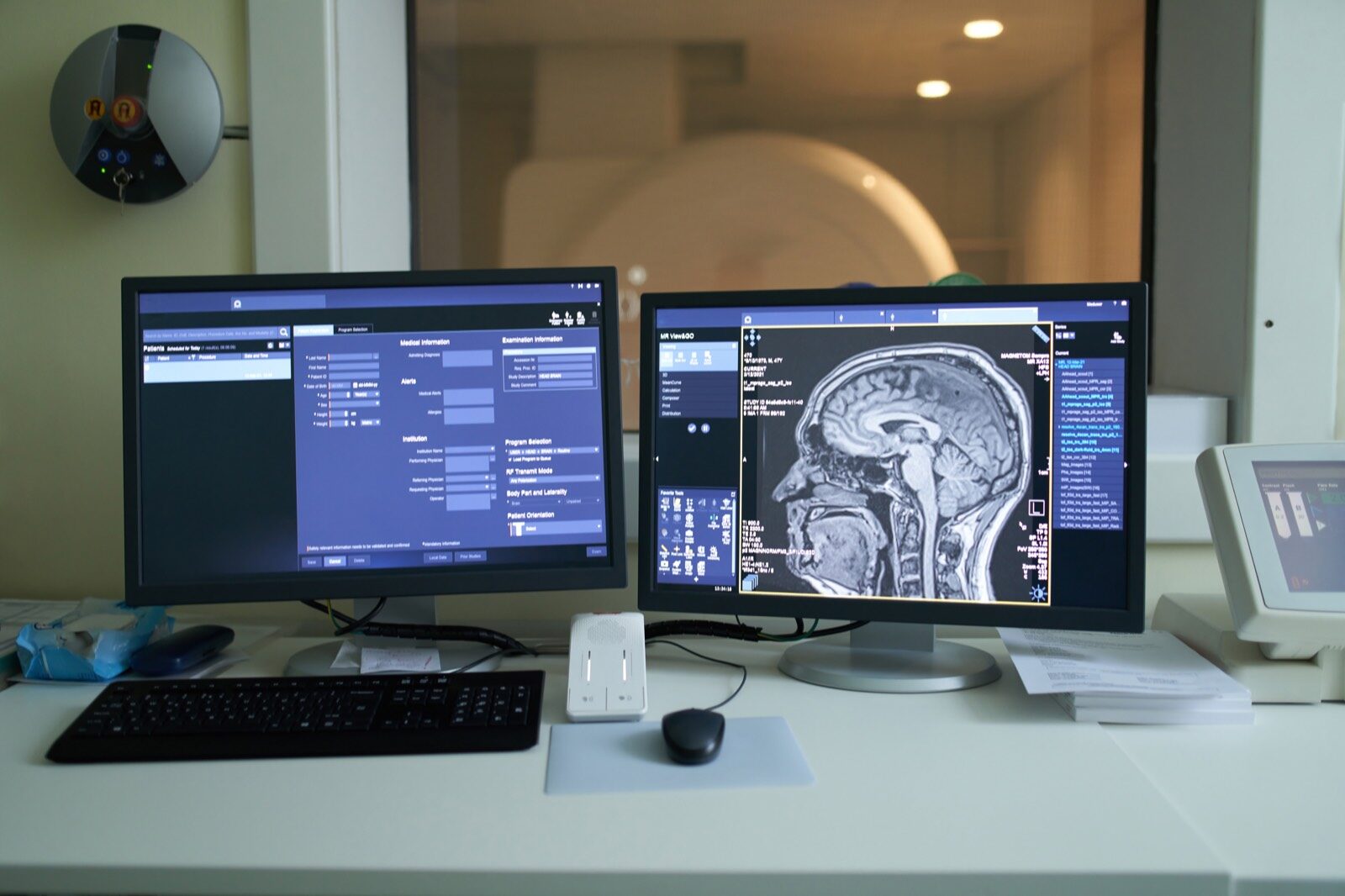
Electronic health records (EHRs) form the central information infrastructure of most modern healthcare systems. At their simplest, they are digital repositories of patient health information, but in practice they do considerably more than replace paper charts: they support clinical decision-making, coordinate care across providers and settings, and generate the structured data on which quality improvement, research, and population health management increasingly depend. This chapter examines the architecture, standards, implementation, and impact of EHR systems.
The shift from paper to electronic records has been substantial. By 2021, ONC data showed that approximately 96% of non-federal acute care hospitals in the United States had adopted certified EHR systems, up from fewer than 10% in 2008. Much of this growth followed the Health Information Technology for Economic and Clinical Health (HITECH) Act of 2009, which offered Medicare and Medicaid incentive payments to hospitals and clinicians who adopted certified EHRs and demonstrated "meaningful use" of them, with financial penalties for non-adoption from 2015 (Adler-Milstein and Jha, 2017). The incentives drove rapid adoption, but they also entrenched documentation and reporting requirements whose burdens are examined later in this chapter. Adoption is similarly widespread across much of western Europe's hospital and primary care sectors. Understanding how these systems work - and where they fall short - is important for every healthcare professional.
This chapter extends concepts from Chapter 1: Introduction to Digital Health. The understanding of digital health technologies and their role in healthcare delivery provides useful context for how EHRs serve as the central information infrastructure in modern healthcare systems.
Architecture and Components of EHR Systems
Modern EHR systems comprise multiple integrated components that together support the full spectrum of healthcare activities. At the core is the clinical data repository, a database that stores patient demographics, medical histories, diagnoses, medications, allergies, immunisation records, laboratory results, imaging reports, and clinical notes. This repository should support rapid retrieval while maintaining data integrity and security.
The clinical documentation component enables healthcare providers to record patient encounters. This includes structured data entry using templates and forms, as well as narrative documentation through typing or voice recognition. Modern systems increasingly incorporate natural language processing (NLP) to extract structured data from free-text notes, enabling both detailed narrative documentation and structured data for analytics and decision support. Since the early 2020s, ambient AI scribes have begun to replace both typing and traditional voice recognition systems by recording the whole consultation and using generative AI to transcribe and summarise the conversation between the clinician and patient.
Computerised Provider Order Entry (CPOE) allows clinicians to enter orders for medications, laboratory tests, imaging studies, and other services electronically. CPOE replaces handwritten orders, reducing errors from illegible handwriting and enabling real-time clinical decision support (Radley et al., 2013). When a provider enters a medication order, a clinical decision support system can immediately check for allergies, drug interactions, and appropriate dosing.
Consider a time when you or someone you know experienced a healthcare encounter where information was missing, delayed, or incorrect. How might a well-designed EHR system have prevented or mitigated that situation? What aspects of the system's design would be most important?
Clinical Decision Support Systems (CDSS) analyse patient data and provide recommendations to clinicians. These range from simple alerts (such as drug allergy warnings) to complex predictive models that identify patients at risk for deterioration. Effective CDSS implementation requires balancing sensitivity (catching important issues) with specificity (avoiding alert fatigue from excessive notifications).
Try it - interactive EHR simulator. Open the EHR simulator (companion to this chapter) to enter medication orders for five fictional patients and watch real-time CDSS checks: drug-allergy contraindications, drug-drug interactions, renal dose adjustments, duplicate-therapy warnings, and pregnancy contraindications. You can also record vital signs (with NEWS2 scoring), file SOAP notes, and review a tamper-evident audit log. Nothing connects to a real system; data lives only in your browser.
The pharmacy module manages medication dispensing and administration, integrating with CPOE to create a closed-loop medication management system. Bar-code medication administration (BCMA) is an important safety intervention implemented primarily by nursing staff. When administering medications, nurses scan both the patient's wristband and the medication barcode; the system verifies the five rights (right patient, medication, dose, route, and time) and alerts when discrepancies occur. BCMA has demonstrably reduced medication errors (Poon et al., 2010), though effective implementation requires attention to nursing workflow. Researchers have shown that poorly designed BCMA systems that interrupt workflow or generate excessive false alerts may lead to workarounds that undermine safety benefits (Koppel et al., 2008). Successful BCMA implementation requires nursing input in system design, adequate staffing to allow time for proper scanning, and ongoing monitoring of workaround behaviours.
Nursing Documentation and Flowsheets
Nursing documentation within EHRs serves distinct purposes from physician documentation, reflecting nursing's unique contribution to patient care. Nursing flowsheets capture frequent, repetitive observations including vital signs, intake and output, pain assessments, and neurological checks in structured formats that support trend visualisation and early warning detection. Well-designed flowsheets reduce documentation burden while providing the granular data needed for detecting patient deterioration.
Nursing care plans document patient problems, goals, and planned interventions using standardised nursing terminologies. While historically underutilised in some EHR implementations, care plans support continuity across shifts and settings, ensuring that each nurse understands the patient's needs and the agreed approach. Integration with evidence-based care pathways can guide nursing interventions while allowing individualisation for patient circumstances.
Nursing assessments, including admission assessments, shift assessments, and focused assessments, capture the systematic observations that inform nursing judgement. These assessments often identify problems that trigger interventions or escalation. Good EHR design should support efficient assessment documentation while ensuring that important findings are prominently visible. The documentation burden on nursing staff is substantial (Baumann et al., 2018). EHR design, workflow optimisation, and emerging technologies including voice recognition and ambient documentation offer opportunities to reduce this burden while maintaining documentation quality.
Laboratory and radiology information systems manage orders, results, and reporting for diagnostic services. Integration with the EHR ensures that results flow directly into the patient record and trigger appropriate notifications to ordering providers. Nurses often serve as the first recipients of urgent lab results, making timely, visible alerting essential.
EHRs are also integrated closely with administrative and management functions that handle scheduling, registration, billing, and claims processing. Integration between clinical and administrative systems reduces duplicate data entry and supports revenue cycle management.
Finally, patient portals can provide patients with access to their health information, appointment scheduling, prescription refills, and secure messaging with providers. These portals have become increasingly important as patient engagement and transparency expectations grow.
Health Data Standards
Imagine a patient transferred from a rural hospital to an urban specialist centre. The referring clinician sends a detailed electronic summary, but when it arrives, the receiving system cannot interpret the medication list because the two hospitals use different drug coding systems. The patient's important allergy information, clearly documented in the original record, appears as meaningless text strings.
Interoperability (the ability of different systems to exchange and meaningfully use information) depends on agreed standards. Without them, every connection between systems becomes a bespoke translation project which would be expensive to build and difficult to maintain. The healthcare industry has developed multiple overlapping standards over decades, each addressing different aspects of this challenge.
Two categories of standard are particularly important. Messaging standards define how systems exchange data: HL7 Version 2 remains widely deployed for laboratory results and admissions messaging, while FHIR (Fast Healthcare Interoperability Resources) represents the current direction, using modern web technologies (RESTful APIs and JSON) that dramatically lower the barrier to implementation. Terminology standards ensure that exchanged data means the same thing in both systems: ICD classifies diseases for statistics and billing, SNOMED CT provides fine-grained clinical terminology, LOINC standardises laboratory observation codes, and RxNorm normalises drug names. Together, these enable "semantic interoperability" - the ability of different systems not just to exchange data but to interpret it consistently. These standards, their evolution, and the persistent gap between specification and implementation are examined in detail in Chapter 8: Standards and Interoperability.
National Health Information Infrastructure
When a tourist collapses with chest pain in an unfamiliar city, the responding clinicians face a significant information gap. Does this patient take anticoagulants? Are there drug allergies? What does their baseline ECG normally look like? The answers exist somewhere in a medical record, but can that information reach the clinicians who need it, across organisational and often national boundaries?
How different countries have answered this question reveals different philosophies about healthcare organisation, data governance, and the balance between central coordination and local autonomy. Countries with unified national health services (such as England, with the NHS Spine connecting GP practices, hospitals, and pharmacies) have tended towards centralised infrastructure. The United States, with its fragmented delivery system, has pursued a federated approach through regional health information exchanges, which since late 2023 have begun connecting under the Trusted Exchange Framework and Common Agreement (TEFCA). Many low- and middle-income countries are building new infrastructure around mobile-first approaches and open-source platforms like OpenMRS and DHIS2, with the advantage of designing around modern standards from the outset.
Understanding the national context is important for effective health informatics practice, as infrastructure, standards, governance, and data protection regulations vary significantly across jurisdictions. National interoperability programmes and the regulatory frameworks driving them are examined in detail in Chapter 8: Standards and Interoperability.
Primary Care EHRs and Continuity
Primary care presents distinct EHR requirements that differ significantly from hospital-focused systems. General practice and primary care clinics manage longitudinal patient relationships often spanning decades, with EHRs serving as the cumulative record of a patient's health journey. This continuity function is central, as the GP system must integrate information from hospital episodes, specialist consultations, community services, and patient-reported data into a coherent longitudinal record.
In the UK, GP clinical systems (EMIS, SystmOne, Vision) have achieved near-universal adoption (NHS England, 2023), with practices using these systems for clinical documentation, prescribing, referrals, population health management, and quality reporting (QOF). These systems differ architecturally from hospital EHRs which are designed for complex inpatient stays rather than the high-volume brief encounters typical of primary care. Instead they are optimised for rapid documentation and prescription generation, and deeply integrated with primary care workflows including appointment booking, triage, and recall management.
The GP workload challenge deserves acknowledgement. While EHRs offer genuine benefits, they also impose documentation burdens that contribute to workforce pressures. Each new digital initiative, whether it is online consultations, patient portal messages, electronic referrals, or quality reporting, adds tasks to already-pressured practices. The promise that technology will save time often proves illusory when implementation adds complexity without removing existing work. Sustainable digital primary care requires careful attention to workflow impact, with realistic assessment of time requirements and deliberate removal of legacy tasks when new digital processes are introduced.
Continuity of information supports continuity of care, a core primary care value. When patients see different GPs within a practice, or move between practices, the comprehensive record enables informed care. However, information continuity differs from relational continuity (seeing the same clinician over time), and EHRs cannot substitute for the trust and understanding built through ongoing relationships. The challenge is designing systems that support both information continuity and relational continuity.
Managing the data deluge presents a growing primary care challenge. Hospital discharge summaries, specialist letters, laboratory results, imaging reports, and increasingly patient-generated data from apps and devices all flow into primary care records. GPs must review, interpret, act upon, and file this information appropriately, a time-consuming task that scales with health system digitisation. Effective approaches include better information filtering (surfacing important findings while filing routine results), workflow support for results handling, and clearer delineation of responsibilities between primary and secondary care.
Clinical Documentation and Workflows
EHR implementation changes clinical workflows in ways that are not always anticipated. Documentation is a good example. Electronic systems enable far more comprehensive capture of clinical information than paper ever did, but this comprehensiveness comes at a cost: clinicians report spending a disproportionate amount of time entering data, often at the expense of direct patient interaction. Template-based documentation can speed the process, though it tends to produce bloated, repetitive notes; copy-paste functionality compounds the problem by propagating yesterday's findings into today's record without review. The underlying tension - between capturing structured data for analytics and decision support on the one hand, and writing clear narrative notes for clinical communication on the other - remains largely unresolved.
Similar trade-offs arise with order entry. Computerised ordering improves legibility and enables real-time safety checks, but it also adds steps that paper-based ordering did not require. When the system is well designed, these additional steps are unobtrusive; when it is not, clinicians find themselves clicking through screens in ways that slow them down and contribute to frustration and burnout.
Healthcare providers often express frustration about "alert fatigue" where they are receiving so many system warnings that they begin to ignore them. How would you design a clinical decision support system that maintains patient safety while avoiding overwhelming clinicians with notifications? What factors would you consider when deciding which alerts are most important?
Clinical workflows also vary considerably across settings and specialities. An EHR configuration that works well for a medical assessment unit will not suit an outpatient dermatology clinic, and vice versa. Systems must therefore accommodate local variation while maintaining enough consistency for data to be meaningful across the organisation. Achieving the right balance between standardisation and customisation is a recurring challenge in every implementation.
A related difficulty is that many EHR systems were originally designed around individual clinician-patient encounters rather than the team-based care that modern practice demands. Nursing-to-physician handoffs, physiotherapy progress notes that inform discharge planning, and pharmacy recommendations that need to be visible to the whole team all require deliberate design if they are not to be siloed by discipline. When important observations are buried in a section of the record that other team members rarely consult, they may as well not have been documented at all.
Implementation Strategies
In 2002, the Children's Hospital of Pittsburgh implemented a commercial CPOE system. A study published in Pediatrics found that the mortality rate among children transported to the hospital for specialised care increased significantly following the transition (Han et al., 2005). Medication orders were taking substantially longer than before. Workflow disruptions meant that time-critical treatments were delayed during the chaotic transition period. This case underscores that EHR implementation is primarily an organisational change that happens to involve technology. The general principles of implementation science and change management are explored in depth in Chapter 11: Implementation and Change Management. Here we highlight considerations specific to EHR deployment.
EHR implementations demand genuinely multidisciplinary clinical leadership. Physician informaticists bring valuable perspectives but cannot represent nursing workflows, pharmacy processes, or allied health requirements. Chief Nursing Informatics Officers (CNIOs) play important roles precisely because nurses comprise the largest clinical workforce and often spend more time in the EHR than any other professional group. When any major user group is excluded from design decisions, the resulting system will not work well for them, and workarounds will proliferate.
EHR-specific workflow analysis must examine how clinical documentation, order entry, medication administration, and results review actually function in practice, not merely how policy documents describe them. Organisations that simply replicate paper-based workflows in electronic form miss the potential for improvement; those that redesign too aggressively, without input from the people doing the work, create systems that fight their users at every turn.
Training for EHR systems must address not only system mechanics (where to click) but clinical workflows (how to accomplish real patient care tasks efficiently). The go-live period requires intensive "at-the-elbow" support, and optimisation must continue for months or years after go-live as the initial configuration cannot anticipate every need.
Benefits and Outcomes
The benefits of shared records are clearest for patients with multiple conditions whose care crosses organisational boundaries. In the paper era, a patient with diabetes, heart failure, and chronic kidney disease who saw a GP, a cardiologist, a nephrologist, and an endocrinologist at different health facilities was managed by clinicians each working from their own partial record. The cardiologist might prescribe a medication the nephrologist had previously discontinued due to kidney function decline; the GP, trying to reconcile conflicting specialist recommendations, often worked from incomplete information; and the patient, expected to serve as their own medical librarian, frequently could not remember which tablet was stopped and why.
A shared electronic record changes this: all providers can access a current medication list, the system alerts the cardiologist to the potential conflict at the point of prescribing, and the GP can review what each specialist recommended and why. These benefits are documented, but they depend on configuration: a shared medication list only prevents the error if reconciliation is actually completed at each transfer.
Clinical Decision Making and Safety
The most immediate EHR benefit is information availability. When a patient presents to an unfamiliar emergency department, clinicians can review their complete medication list, allergy information, past test results, and specialist consultations. Decisions that once relied on incomplete information or fallible patient recall now rest on comprehensive data. This matters most for complex patients (those with multiple conditions, many medications, and care relationships across multiple organisations) who are also the most vulnerable to information gaps.
Clinical decision support extends beyond passive information display to active safety checking. When a clinician enters a medication order, the system can immediately check for allergies, drug interactions, appropriate dosing for the patient's renal function, and potential duplications. Studies consistently demonstrate reductions in medication errors with effective decision support, and a twenty-year review of patient safety since To Err Is Human documents how CPOE and clinical decision support have been central to that progress (Bates and Singh, 2018). Preventive care reminders prompt immunisations, cancer screenings, and chronic disease monitoring that might otherwise be forgotten in busy practice. The evidence for decision support improving guideline adherence is strong, though benefits depend entirely on implementation quality. Poorly designed alerts generate fatigue and workarounds rather than safety improvements.
Coordination Across Settings and Time
Healthcare increasingly involves transitions: from hospital to home, from GP to specialist and back, from emergency department to inpatient unit. Each transition creates risk as information must flow between teams who may never speak directly. EHRs that share information across settings make these transitions safer. The hospital discharge summary is available to the GP the same day. The specialist can see what happened during the recent hospitalisation before the follow-up appointment. The narrative of the patient's care continues across settings rather than restarting with each encounter.
Population health management represents a subtler but potentially more significant capability. When an organisation's EHR contains structured data on thousands of diabetic patients, it becomes possible to identify those overdue for retinal screening, those with rising HbA1c suggesting deteriorating control, or those who have not filled their statin prescription. Proactive outreach to these patients, before complications develop, shifts healthcare from reactive to preventive. Quality dashboards track performance on key metrics, enabling improvement efforts that would be impossible without data visibility.
The Business Case
Administrators and policymakers often justify EHR investment through efficiency gains - reduced transcription costs, improved charge capture, streamlined claims processing - though these savings are frequently offset by the substantial costs of implementation, ongoing maintenance, and new workflow demands (Adler-Milstein and Jha, 2017). The stronger case for EHRs may rest less on direct cost savings than on capabilities that would be impossible without comprehensive information systems: systematic quality measurement, clinical registries, and the ability to study real-world effectiveness and practice variation across large patient populations. These research and improvement capabilities depend on the structured data that routine EHR use generates, and they represent an increasingly important part of the value proposition for health systems.
Challenges and Concerns
Ask clinicians about their experience of electronic health records and the response is remarkably consistent across health systems and countries: frustration with documentation burden, stories of spending more time at the computer than at the bedside, and a sense that the technology serves the organisation's data needs more than it serves clinical care. The discontent is too widespread to dismiss as resistance to change.
The Burden on Clinicians
Clinician burden has emerged as the defining challenge of the EHR era. Studies consistently show physicians spending substantial portions of their workday on EHR tasks: entering orders, writing notes, responding to inbox messages, and completing documentation that regulations and billing require. Time studies suggest that for every hour of direct patient care, physicians spend nearly two hours on the EHR (Sinsky et al., 2016). More recent work (Tai-Seale et al., 2023) confirms that perceived EHR work stress remains significantly associated with burnout, though early evidence suggests the documentation ratio is beginning to improve in settings deploying ambient AI documentation tools. This time comes from somewhere: shorter patient encounters, unpaid hours after clinic ("pyjama time" spent charting from home), or personal wellbeing. The contribution of documentation burden to clinician burnout, already at crisis levels in many health systems, is now widely recognised (Shanafelt et al., 2022).
Nurses face similar pressures. Documentation that was once a few handwritten lines on a flowsheet now involves multiple screens of structured data entry. While this structured documentation enables the decision support and quality measurement that produce EHR benefits, it imposes real costs on nursing time and attention. Studies suggest nurses may spend a third or more of their shift on documentation (Yen et al., 2018). This is time not available for the patient assessment, education, and comfort measures that represent nursing's core contribution to care.
Design Failures and Workarounds
Many EHR frustrations reflect design failures rather than inevitable limitations of digital records. Systems require excessive clicks to accomplish simple tasks. Information is buried in illogical places. Screens are cluttered with data irrelevant to the task at hand. The contrast with consumer technology, where applications are designed around user needs by companies whose survival depends on user satisfaction, is evident. EHR vendors, selling to organisations rather than end users, have historically faced weaker incentives to prioritise usability (Ratwani et al., 2018). Improvement is occurring, but gaps remain substantial.
Poor design breeds workarounds, and workarounds breed risk. When the "right" way to do something in the EHR takes too long, busy clinicians find shortcuts. Copy-paste allows rapid note completion but propagates outdated or incorrect information: yesterday's examination findings appearing in today's note, medication lists not updated after recent changes. Order entry from long pick lists invites selection errors when a clinician clicks the wrong item in a hurried moment. Alert fatigue leads to important warnings being automatically dismissed because they are lost in a flood of low-value notifications (van der Sijs et al., 2006). These unintended consequences represent new categories of error that did not exist in the paper era.
The Interoperability Gap
The most persistent challenge is that EHRs often do not communicate effectively with each other. Patients receiving care across multiple health systems, an increasingly common pattern as care becomes more specialised and patients more mobile, still encounter fragmented records despite universal EHR adoption. The hospital cannot see what the primary care physician documented. The specialist does not know about the emergency department visit last month. Technical standards exist and regulatory mandates prohibit information blocking, but progress towards seamless interoperability remains frustratingly slow. The vision of comprehensive, portable health records remains partially unfulfilled.
Information Overload
Paradoxically, the abundance of digital health data can make it harder, not easier, to find what matters. A complex patient's record may contain thousands of notes, results, and documents. Identifying the relevant information (the recent specialist assessment, the reason for a past medication change, the baseline kidney function to compare against today's result) requires navigating this ocean of data. Note bloat, where structured templates and copy-paste produce lengthy documents with little meaningful content, exacerbates the problem. Clinicians report spending substantial time searching for information they know exists somewhere in the record.
Cost and Equity Concerns
The costs of EHR systems remain substantial. Purchase prices are significant, but implementation costs (workflow redesign, training, temporary productivity losses) often exceed software costs (Kaushal et al., 2006). Ongoing expenses for maintenance, upgrades, and optimisation add up year after year. These costs fall disproportionately hard on smaller practices, rural hospitals, and resource-constrained organisations. The result is a digital divide within healthcare, with well-resourced health systems operating sophisticated, well-optimised EHRs while others struggle with outdated systems or minimal IT support. This disparity has implications for both the clinicians working in these different environments and the patients they serve.
Future Directions
Ambient documentation systems that capture the clinician-patient conversation and generate a draft note for review have moved from pilots into production use across major health systems since late 2023, with early evidence showing significant reductions in documentation time and improved clinician satisfaction (Tierney et al., 2024). Their deployment marks the first of several shifts now under way in EHR technology.
Opening the Platform
For years, EHR vendors maintained closed ecosystems in which all functionality had to come from the vendor itself or from approved partners. This model is gradually giving way to more open, platform-based approaches. Application programming interfaces (APIs), particularly those based on FHIR, now allow third-party developers to build applications that integrate with EHR systems - for dermatology image analysis, orthopaedic templating, clinical trial matching, and other specialised functions that the major vendors have little incentive to develop themselves. How far this "app ecosystem" model will go remains uncertain, but the direction of travel is clear.
Artificial Intelligence and the Documentation Problem
If documentation burden represents the defining challenge of current EHRs, artificial intelligence offers the most promising solution. The ambient documentation systems described above and the broader role of AI in clinical practice are explored in detail in Chapter 6: Artificial Intelligence in Healthcare. Beyond documentation, machine learning models for predicting deterioration, sepsis, and readmission are increasingly appearing in EHR-integrated clinical workflows (Topol, 2019).
The Expanding Data Environment
Patient-generated health data represents a frontier that EHR systems are only beginning to address. Smartwatches track heart rhythms and detect atrial fibrillation. Continuous glucose monitors stream data to cloud platforms. Home blood pressure cuffs, activity trackers, and sleep monitors generate streams of health-relevant information. This data could transform chronic disease management, catching deterioration early and enabling continuous rather than episodic care. But integration challenges are considerable: how to filter the meaningful from the noise, how to present relevant information without overwhelming clinicians, and how to establish workflows for data that arrives continuously rather than at scheduled visits. The solutions remain works in progress.
EHR systems a decade from now will look quite different from current implementations, likely incorporating more sophisticated decision support, better interoperability, and tighter integration with patient-generated data. Whether they are less burdensome will depend on whether documentation time is measured and treated as a design constraint, which few current procurement processes require.
Can you answer these questions?
What are the key benefits of EHR systems for patients, clinicians, and healthcare organisations?
How did incentive programmes such as the HITECH Act drive EHR adoption, and what benefits and burdens followed?
What is interoperability and why is it necessary for effective healthcare delivery across multiple providers?
What are the major challenges facing EHR implementation, including issues of usability, alert fatigue, and clinician burden?
Summary
Electronic health records have become central to healthcare delivery in most high-income countries, providing clinicians with far greater access to patient information than paper-based systems allowed and enabling capabilities - clinical decision support, population health management, quality measurement - that depend on structured, shareable data.
Significant challenges remain. Clinician burden, interoperability limitations, and poor usability are not minor complaints; they affect the daily experience of the workforce and, by extension, the quality of patient care. Whether EHR systems evolve into tools that clinicians value rather than merely tolerate will depend on sustained attention to design, implementation, and the concerns of the people who use them.
Key Takeaways
EHRs comprise multiple integrated components including clinical data repositories, documentation systems, CPOE, clinical decision support, and patient portals.
Health data standards including HL7, FHIR, and clinical terminologies like SNOMED CT and ICD enable interoperability and consistent data representation.
Successful EHR implementation requires multidisciplinary clinical leadership, workflow analysis, comprehensive training, and ongoing optimisation.
EHRs improve access to information, enable decision support, support care coordination, and provide data for population health and research.
Persistent challenges include clinician burden, usability problems, interoperability limitations, and unintended consequences requiring ongoing attention.
References
- Adler-Milstein J, Jha AK (2017). HITECH Act Drove Large Gains In Hospital Electronic Health Record Adoption. Health Affairs.
- Bates DW, Singh H (2018). Two Decades Since To Err Is Human: An Assessment Of Progress And Emerging Priorities In Patient Safety. Health Affairs.
- Baumann LA, Baker J, Elshaug AG (2018). The impact of electronic health record systems on clinical documentation times: A systematic review. Health Policy.
- Cegedim Healthcare Solutions / INPS (2024). Vision Clinical System. Cegedim Healthcare Solutions.
- EMIS Health (Optum UK) (2024). EMIS Health / Optum UK. Optum UK (formerly EMIS Health).
- Han YY, Carcillo JA, Venkataraman ST, et al. (2005). Unexpected Increased Mortality After Implementation of a Commercially Sold Computerized Physician Order Entry System. Pediatrics.
- Health Level Seven International (2024). HL7 International. Standards organisation.
- Health Level Seven International (2024). FHIR (Fast Healthcare Interoperability Resources). HL7 International.
- HISP / University of Oslo (2024). DHIS2. Open-source platform.
- Kaushal R, Jha AK, Franz C, Glaser J, Shetty KD, Jaggi T, Middleton B, Bates DW (2006). Return on investment for a computerized physician order entry system. Journal of the American Medical Informatics Association.
- Koppel R, Wetterneck T, Telles JL, Karsh BT (2008). Workarounds to Barcode Medication Administration Systems. Journal of the American Medical Informatics Association.
- NHS England (2023). GP IT Futures systems and services. NHS Digital.
- NHS England (2024). NHS Spine. NHS Digital service.
- Office of the National Coordinator for Health IT (2024). Non-federal Acute Care Hospital Electronic Health Record Adoption. ONC Quick Stat.
- Office of the National Coordinator for Health IT (2024). Trusted Exchange Framework and Common Agreement (TEFCA). ONC programme.
- OpenMRS community (2024). OpenMRS. Open-source platform.
- Poon EG, Keohane CA, Yoon CS, et al. (2010). Effect of Bar-Code Technology on the Safety of Medication Administration. New England Journal of Medicine.
- Radley DC, Wasserman MR, Olsho LEW, Shoemaker SJ, Spranca MD, Bradshaw B (2013). Reduction in medication errors in hospitals due to adoption of computerized provider order entry systems. Journal of the American Medical Informatics Association.
- Ratwani RM, Savage E, Will A, Arnold R, Khairat S, Miller K, Fairbanks RJ, Hodgkins M, Hettinger AZ (2018). A usability and safety analysis of electronic health records: a multi-center study. Journal of the American Medical Informatics Association.
- Regenstrief Institute (2024). LOINC. Regenstrief Institute.
- Shanafelt TD, West CP, Dyrbye LN, Trockel M, Tutty M, Wang H, Carlasare LE, Sinsky C (2022). Changes in Burnout and Satisfaction With Work-Life Integration in Physicians During the First 2 Years of the COVID-19 Pandemic. Mayo Clinic Proceedings.
- Sinsky C, Colligan L, Li L, et al. (2016). Allocation of Physician Time in Ambulatory Practice: A Time and Motion Study in 4 Specialties. Annals of Internal Medicine.
- SNOMED International (2024). SNOMED CT. SNOMED International.
- Tai-Seale M, Baxter SL, Vaida F, Walker AD, Sitapati AM, Osborne C, Diaz J, Desai N, Webb S, Polston G, Helsten T, Gross E, Thackaberry J, Mandvi A, Lillie D, Li S, Gin G, Achar S, Hofflich H, Sharp C, Millen M, Longhurst CA (2023). Association of physician burnout with perceived EHR work stress and potentially actionable factors. Journal of the American Medical Informatics Association.
- The Phoenix Partnership (TPP) (2024). TPP and SystmOne. The Phoenix Partnership (TPP).
- Tierney AA, Gayre G, Hoberman B, Mattern B, Ballesca M, Kipnis P, Liu V, Lee K (2024). Ambient Artificial Intelligence Scribes to Alleviate the Burden of Clinical Documentation. NEJM Catalyst.
- Topol EJ (2019). High-Performance Medicine: The Convergence of Human and Artificial Intelligence. Nature Medicine.
- U.S. National Library of Medicine (2024). RxNorm. U.S. National Library of Medicine.
- van der Sijs H, Aarts J, Vulto A, Berg M (2006). Overriding of Drug Safety Alerts in Computerized Physician Order Entry. Journal of the American Medical Informatics Association.
- World Health Organization (2024). International Classification of Diseases (ICD). World Health Organization.
- Yen PY, Kellye M, Englebright J, Bass E, Goodall E, Ferri W, Lewis B, Walker DK (2018). Nurses' Time Allocation and Multitasking of Nursing Activities: A Time Motion Study. AMIA Annual Symposium Proceedings.