- Classify types of mobile health interventions and connected medical devices
- Evaluate health apps using established frameworks
- Understand connectivity technologies and integration challenges for health devices
- Discuss the implementation challenges of deploying mHealth and connected devices in clinical settings

Introduction
Mobile health, commonly known as mHealth, refers to the use of mobile devices - principally smartphones and wearable sensors - to deliver health information and services (WHO, 2011). The field encompasses everything from simple fitness tracking apps to clinically validated remote monitoring systems, and it has grown rapidly as smartphone ownership has become near-universal in high-income countries and increasingly common in low- and middle-income settings.
But mobile health does not exist in isolation. It is part of a broader ecosystem of connected medical devices - the Internet of Medical Things (IoMT) - that includes hospital bedside monitors, smart infusion pumps, and implantable cardiac devices. What links a fitness tracker on a patient's wrist to a ventilator in an ICU is connectivity: the ability to generate, transmit, and act on health data across settings. This chapter examines both ends of this spectrum, from consumer mHealth apps and wearables through to hospital-grade connected devices used in clinical monitoring.
What makes these technologies distinctive is less the hardware itself than the context in which they operate and the data they generate. People carry their phones throughout the day; hospital devices monitor patients continuously; implantables transmit data without any action from the patient at all. Whether this continuous connectivity translates into meaningful health improvement depends on the quality of the tools, the evidence behind them, how well data flows between systems, and how effectively it is integrated into clinical care.
This chapter extends concepts from Chapter 1: Introduction to Digital Health, Chapter 2: Electronic Health Records, and Chapter 3: Telemedicine and Virtual Care. Understanding the foundations of digital health, clinical data systems, and remote care delivery provides useful context for exploring how mobile and connected devices extend healthcare beyond traditional settings. The AI capabilities explored in Chapter 6: Artificial Intelligence in Healthcare increasingly power the analytics and decision support that make IoMT data clinically useful.
The Mobile Health Ecosystem
Consider the journey of a single health concern through the mHealth ecosystem. A woman notices she has been feeling tired and wonders if she is sleeping poorly. She downloads a sleep tracking app that uses her phone's accelerometer to monitor movement overnight. The app suggests her sleep is fragmented, so she purchases a fitness tracker that monitors heart rate variability during sleep, revealing patterns of restlessness. Concerned, she uses a telemedicine app to consult a physician, who recommends a connected pulse oximeter to check for sleep apnoea. The readings transmit directly to the clinic's monitoring system, and when concerning patterns emerge, the care team reaches out before her next appointment. What began as curiosity about fatigue has flowed through consumer wellness apps, wearable devices, medical apps, and clinical remote monitoring, each technology handing off to the next.
This interconnected ecosystem has emerged quickly. Health and fitness apps number in the hundreds of thousands across major app stores, ranging from simple step counters to sophisticated platforms that integrate exercise, nutrition, sleep, and mental wellness into unified dashboards. The low barriers to app development have created both considerable innovation and a challenge: distinguishing genuinely helpful tools from the merely flashy.
Wearable devices have followed a parallel trajectory from niche fitness gadgets to mainstream accessories. The fitness tracker on someone's wrist might monitor steps, sleep, and heart rate throughout the day, while a smartwatch can record single-lead electrocardiograms, detect falls, and measure blood oxygen. These devices generate continuous streams of health data that increasingly flow to users and their healthcare providers.
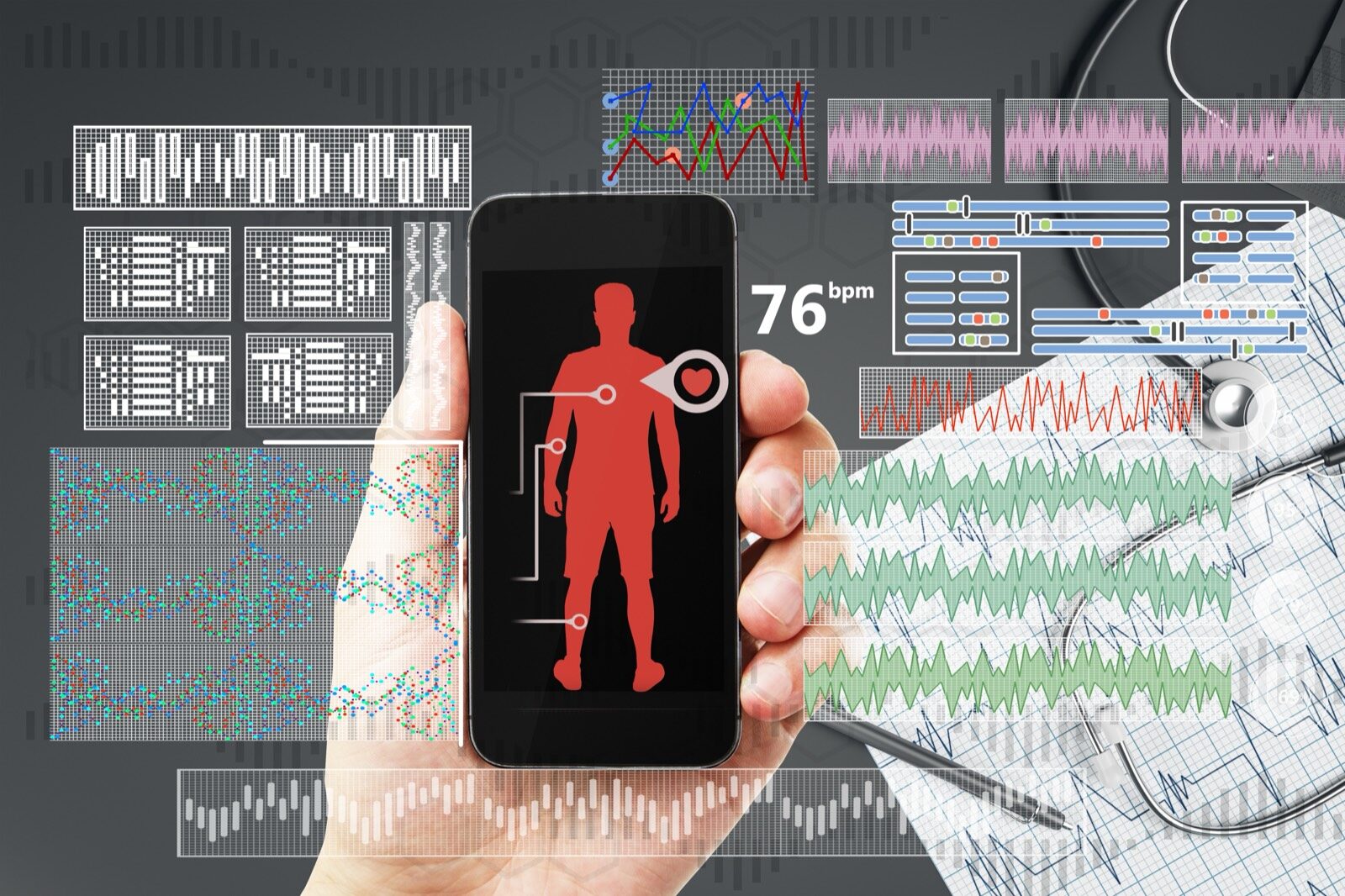
Where consumer devices track general wellness, medical apps and remote monitoring solutions address specific clinical needs. A diabetes management app integrates with a glucose monitor to track readings and suggest insulin adjustments. A connected blood pressure cuff transmits readings to a clinical system, enabling a care team to spot concerning trends before they become emergencies. A mental health app delivers structured cognitive behavioural therapy protocols, extending evidence-based treatment beyond the therapist's office. These tools share a common aim: supporting patients between clinical encounters, where much of the day-to-day management of health conditions takes place.
Table 4.1: mHealth App Categories
| Category | Examples | Clinical Applications | Target Users |
|---|---|---|---|
| Wellness/Fitness | Fitbit, MyFitnessPal, Strava | Activity tracking, nutrition logging, health goals | General population |
| Chronic Disease Management | MySugr, Omada Health, Livongo | Diabetes, hypertension, weight management | Patients with specific conditions |
| Medication Adherence | Medisafe, CareZone, Mango Health | Reminders, refill alerts, interaction checking | Patients on multiple medications |
| Mental Health | Headspace, Calm, Woebot, Wysa | Meditation, CBT, mood tracking, crisis support | Mental health support seekers |
| Remote Monitoring | AliveCor, Withings, Dexcom | ECG recording, vital signs, continuous glucose | Clinical monitoring patients |
Wearable Technology
The first digital pedometer, introduced in the 1960s, could do one thing: count steps. Modern wearable devices, by contrast, incorporate optical heart rate sensors, accelerometers, gyroscopes, and in some cases electrodes capable of recording single-lead electrocardiograms. The line between consumer electronics and clinical tools has become increasingly indistinct, raising questions about accuracy, appropriate use, and clinical integration that the field is still working through.
At the foundation, optical heart rate sensors illustrate both the promise and limitations of consumer wearables. These sensors shine light through the skin and detect blood flow to estimate heart rate, a technique that works well for average measurements throughout the day. However, accuracy drops during vigorous exercise when motion interferes with readings, and studies have documented reduced accuracy for individuals with darker skin tones due to differences in light absorption (Shcherbina et al., 2017). Understanding these limitations matters when patients present data from their devices, or when clinicians consider recommending wearables for monitoring.
Smartwatches have pushed beyond these foundational sensors into territory once reserved for clinical devices. When the Apple Watch gained FDA clearance to detect irregular heart rhythms suggestive of atrial fibrillation (Perez et al., 2019), it marked a notable change: a consumer device performing screening traditionally done in medical settings. The same devices can now record single-lead electrocardiograms, detect falls and automatically call emergency services, and measure blood oxygen saturation. Other manufacturers have followed with their own clinical capabilities: the Samsung Galaxy Watch offers ECG recording and, in some regulatory markets, blood pressure monitoring; the Google Pixel Watch integrates Fitbit's health tracking algorithms with Google's ecosystem; and Fitbit devices provide stress management scores and atrial fibrillation detection. Each capability brings genuine clinical utility alongside questions about false positives, patient anxiety, and the healthcare system's capacity to respond to alerts generated by millions of consumer devices.
One of the most clinically notable wearable evolutions has occurred in glucose monitoring. Continuous glucose monitors were originally prescription-only devices for people with diabetes, providing real-time readings through sensors inserted just under the skin. These devices are increasingly marketed to general consumers curious about their metabolic responses to different foods and activities. Whether this expansion represents valuable health optimisation or medicalisation of normal physiology remains debated, but the underlying technology's migration from clinical to consumer use illustrates a broader pattern in wearable development.
Sleep tracking has followed a similar democratisation path. Where sleep studies once required overnight stays in specialised laboratories, wearable devices and even smartphone apps now estimate sleep stages, track sleep duration, and identify patterns of disruption. These consumer tools cannot diagnose sleep disorders, but they can prompt users to seek clinical evaluation when concerning patterns emerge, serving as a screening layer before more rigorous assessment.
Connected Medical Devices
The consumer wearables described above are part of a much larger ecosystem of connected medical devices that spans the entire care continuum. Picture a single patient: Margaret, a 72-year-old with heart failure and diabetes, navigating the modern healthcare system. During her hospitalisation last month, bedside monitors tracked her vital signs continuously, feeding data into early warning systems that alerted nurses when her condition began to deteriorate. Her medication infusions were delivered by smart pumps that communicated dosing information directly to her electronic record. Now home, she steps on a connected scale each morning, transmits her blood glucose readings from a continuous monitor, and wears a medical-grade smartwatch that captured the irregular heartbeat that prompted her cardiologist to adjust her medications last week. Her pacemaker, implanted three years ago, transmits performance data to her cardiac team without requiring clinic visits.
Margaret's experience illustrates how the Internet of Medical Things (IoMT) spans settings from ICU to home, with different devices serving complementary purposes. The hospital devices that supported her acute care (monitors, infusion pumps, ventilators, imaging equipment) generate large data volumes; a single ICU bed can produce gigabytes daily when high-frequency waveforms are captured. These devices were the first wave of IoMT, designed primarily for professional use in clinical settings where infrastructure and expertise are available.
Implantable devices occupy a unique position in this ecosystem. Unlike external devices that patients can remove or ignore, pacemakers, defibrillators, and neurostimulators are integrated into the body, making their connectivity both more valuable and more consequential. Remote monitoring of cardiac implantables has become standard practice, changing how patients like Margaret receive care. Rather than waiting for quarterly clinic visits, their cardiac teams can detect arrhythmias, battery depletion, or lead problems within hours, intervening before small problems become emergencies. Yet these same devices present heightened security concerns precisely because they are life-sustaining.
Consider a patient with multiple chronic conditions using several connected health devices at home. How might the continuous data streams from these devices change the nature of the patient-clinician relationship? What new responsibilities might this create for both parties?
The home environment has become a clinical space in its own right. Connected blood pressure monitors, scales, and spirometers feed remote monitoring programmes, while smart medication dispensers track adherence and alert caregivers to missed doses. These devices share a common purpose: extending clinical oversight into daily life without requiring constant professional presence. For patients like Margaret, this means staying in her own home rather than in a care facility, maintaining independence while remaining connected to her clinical team.
Beyond devices that patients actively use, environmental sensors provide passive monitoring that can detect changes in health status. Smart home sensors observe falls, sleep patterns, and daily routines, detecting when someone stops making morning tea at the usual time, or when bathroom visits increase significantly overnight. These subtle signals, aggregated over time, can reveal health changes before patients themselves recognise them.
Point-of-care testing devices bridge the gap between laboratory diagnostics and bedside care. Whether testing blood glucose, cardiac markers, or infectious diseases, connected point-of-care devices transmit results directly to clinical systems, ensuring that findings reach decision-makers quickly. In emergency departments and urgent care settings, this connectivity can shave valuable minutes from diagnosis-to-treatment times.
Connectivity and Interoperability
Connected health devices use a range of wireless technologies - Bluetooth for wearables, Wi-Fi for hospital equipment, cellular networks for remote monitoring in patients' homes - each involving trade-offs between power consumption, range, and data capacity. The specific radio technology matters less to clinicians than its practical consequence: whether data from a device can reliably reach the systems and people who need it.
In practice, interoperability remains the central challenge. Walk through any hospital and you will find equipment from dozens of manufacturers, installed over decades, often unable to share data with one another even when treating the same patient. Older devices rely on proprietary protocols; newer ones may support standards like FHIR or IEEE 11073, but implementation varies widely. The gap between what interoperability standards promise and what is actually achieved in practice is explored in Chapter 8: Standards and Interoperability.
Evaluating mHealth Apps
A patient asks their doctor to recommend a good diabetes app. The physician opens an app store, searches "diabetes", and confronts over 1,000 results. Some are backed by clinical trials; others were built by developers with no medical background. Some protect user data carefully; others sell it to advertisers. Some align with clinical guidelines; others promote unproven approaches. How should a busy clinician, or an individual managing their own health, evaluate this ecosystem?
The fundamental question is evidence: does the app's approach align with established health guidance, and has the specific app been tested in clinical research? Many apps make health claims without supporting evidence, their marketing materials citing general research on their category rather than studies of the app itself. The challenge is structural: rigorous clinical trials take years, while app development cycles move in months. An app might be updated dozens of times between the start and publication of a clinical trial, raising questions about whether the study's findings still apply to the current version (Byambasuren et al., 2018).
Beyond evidence, usability determines whether an app's theoretical benefits translate into real-world impact. An evidence-based intervention buried in a confusing interface will not help patients who abandon it after a frustrating first session. Reading levels matter too: health apps often assume literacy levels that exclude many potential users. The most rigorous clinical evidence becomes irrelevant if the app is too difficult to use consistently.
Privacy practices represent one of the most opaque evaluation dimensions. Some health apps treat user data as their primary product, collecting detailed information about health conditions, behaviours, and biometrics for advertising or sale to third parties. Others minimise data collection and protect information carefully. Privacy policies ostensibly disclose these practices, but their length and complexity (often exceeding 5,000 words of legal language) effectively obscure rather than inform. A study found that 79% of 24 top-rated medicines-related Android apps shared user data with third parties (Grundy et al., 2019), often without transparent disclosure in their privacy policies.
Regulatory status provides a clearer signal, though its meaning is often misunderstood. Apps classified as medical devices have undergone FDA review for safety and effectiveness, but this classification applies only to apps that diagnose conditions, recommend treatments, or control medical devices. Most wellness and fitness apps fall outside this regulatory scope and can reach consumers without any safety or efficacy review. Professional endorsement from medical organisations or health systems offers another heuristic: some institutions curate recommended apps for patients, applying evaluation criteria that individual users might struggle to implement on their own (NICE, 2022).
Table 4.2: mHealth App Evaluation Framework
| Criterion | What to Assess | Red Flags | Green Flags |
|---|---|---|---|
| Evidence Base | Clinical studies, guideline alignment | No published research, unproven claims | Peer-reviewed trials, guideline-concordant |
| Usability | Interface design, reading level, accessibility | Complex navigation, high literacy required | Intuitive design, clear instructions |
| Privacy Practices | Data collection, sharing, security | Vague policies, third-party data sales | Minimal collection, encryption, transparency |
| Regulatory Status | FDA clearance, CE marking | Medical claims without approval | Cleared for intended use |
| Clinical Validation | Real-world outcomes, user studies | No outcome data | Published effectiveness studies |
Consider the health apps on your own smartphone. How many have you evaluated for relevant clinical evidence or privacy practices before downloading? What criteria would you now use to assess whether an mHealth app is trustworthy and effective for a patient asking for your recommendation?
mHealth for Chronic Disease Management
Chronic diseases share a characteristic that makes them well suited to mobile health interventions: the bulk of management takes place outside clinical settings, in the daily decisions about diet, activity, medication, and self-monitoring that occur between appointments. A person with diabetes makes dozens of such decisions each day; someone with hypertension must sustain medication adherence and lifestyle changes largely without clinical oversight. Mobile health tools can, in principle, support these everyday behaviours - though how well they do so in practice varies considerably.
Diabetes management illustrates this potential most clearly. Modern diabetes apps integrate continuous glucose monitoring data with medication tracking, nutrition logging, and activity records, creating a comprehensive picture of how different factors affect blood sugar. A patient can see that their glucose spikes after certain meals, that morning walks reduce afternoon readings, or that stress from work deadlines correlates with poor control. These insights, emerging from personal data patterns rather than generic advice, can drive behaviour changes that improve outcomes. Some apps now use machine learning to predict glucose trends and suggest pre-emptive actions, moving from reactive to proactive management.
Cardiovascular disease management follows similar principles but with different data. Connected blood pressure cuffs can prompt regular measurements, track trends over time, and alert both patients and providers to concerning readings. The value lies in the feedback loop the data creates: patients can see whether lifestyle changes or medication adjustments are working, reinforcing beneficial behaviours. Programmes combining home blood pressure monitoring with behavioural support have demonstrated measurable reductions in blood pressure and improved medication adherence.
Mental health presents a different opportunity. Traditional therapy is constrained by appointment availability, cost, and stigma; for most mental health conditions, a majority of those affected receive no treatment (Kohn et al., 2004). Therapeutic apps can deliver evidence-based interventions, especially cognitive behavioural therapy protocols, to users who might never see a therapist. These apps guide users through structured programmes addressing depression, anxiety, and other conditions, often with efficacy demonstrated in randomised trials. They cannot replace professional care for serious mental illness, but they extend access to techniques that were previously available only to those who could access and afford in-person therapy.
Similar approaches are being applied to asthma (apps that track inhaler use and environmental triggers), weight management, and other chronic conditions. The common thread is that mobile tools provide a feedback loop between patient behaviour and health data that would otherwise be invisible until the next clinic visit. The persistent challenge, discussed below, is sustaining engagement with these tools over the months and years that chronic disease management demands.
A growing subset of mHealth, digital therapeutics (DTx), takes this concept further. Digital therapeutics are software-based interventions that have been clinically validated and, in many cases, require a prescription. Unlike general wellness apps, DTx products undergo rigorous regulatory review and are designed to treat, manage, or prevent specific medical conditions. Examples include prescription apps for substance use disorders, insomnia, and irritable bowel syndrome. DTx represents a shift from mobile health as a self-management aid to mobile health as a regulated clinical intervention, with implications for prescribing, reimbursement, and clinical evidence standards. Digital therapeutics are explored in greater detail in Chapter 7: Digital Therapeutics (DTx).
Clinical Monitoring Applications
While the chronic disease management applications above focus on patient self-management, connected devices also serve clinical monitoring functions where data flows primarily to care teams rather than patients themselves.
Continuous vital sign monitoring in acute care settings provides early warning of patient deterioration. Connected monitors transmit data to central stations and clinical systems, enabling surveillance across units and triggering alerts when concerning patterns emerge. Early warning scores calculated from continuous monitoring data can predict deterioration hours before traditional assessment methods. Nursing staff typically serve as the primary responders to monitoring alerts, making alert design and workflow integration important. Effective implementations involve nurses in designing alert thresholds and escalation protocols, balancing sensitivity with the practical realities of nursing workload. Central monitoring stations staffed by monitor technicians or dedicated nursing surveillance teams can provide an additional layer of oversight, with protocols for escalating concerns to bedside nurses.
Remote patient monitoring enables ongoing clinical oversight of patients with chronic conditions in their homes. Patients with heart failure transmit daily weight and blood pressure readings; those with COPD share oxygen saturation levels. Trends suggesting deterioration prompt clinical intervention before emergencies develop. Studies demonstrate that effective remote monitoring programmes reduce hospitalisations and emergency visits. Many remote monitoring programmes are nurse-led, with registered nurses or advanced practice nurses reviewing incoming data, triaging alerts, and making clinical decisions about interventions. This telehealth nursing role requires both clinical expertise to interpret data in patient context and communication skills to engage patients remotely. The scale efficiency of remote monitoring, where one nurse can oversee many patients, makes it a significant emerging nursing practice area, though it also raises questions about appropriate nurse-to-patient ratios and the balance between efficiency and individualised care.
Connected devices also support patients transitioning from hospital to home, a period when readmission risk is highest. Monitoring recovery metrics such as weight, oxygen saturation, and activity levels can detect complications early enough for outpatient intervention. Related applications include medication adherence monitoring - through smart pill bottles, blister packs, or ingestible sensors that transmit confirmation when dissolved in the stomach - and activity and fall detection using wearables or environmental sensors. The latter is particularly relevant for older adults living independently, where automatic fall detection can summon help even when the individual cannot call for assistance. In surgical settings, perioperative IoMT integrates data from anaesthesia machines, physiological monitors, and other devices into a unified record, enabling rapid response to changes during procedures.
SMS and Messaging Interventions
While apps and wearables capture headlines, one of the most impactful mobile health interventions relies on technology from the 1990s: text messaging. SMS works on any mobile phone, requires no data plan, and reaches populations that sophisticated apps cannot. In regions where smartphones remain expensive and internet connectivity unreliable, text messaging is often the only scalable digital health channel.
This accessibility has made SMS particularly valuable for medication adherence, one of healthcare's longstanding challenges. Across conditions from HIV to hypertension to diabetes, studies consistently show that simple text reminders reduce forgotten doses. The intervention sounds straightforward: a message arrives at the time a medication is due, prompting the patient to take it. Yet this small nudge, delivered consistently over time, addresses the common problem that people forget, get distracted, or lose track of medication schedules. More sophisticated programmes add two-way communication, asking patients to confirm they have taken doses and escalating alerts when responses suggest non-adherence.
Appointment reminders demonstrate similar effectiveness for a different problem. Missed appointments waste healthcare resources and delay needed care; a systematic review across specialties found an average no-show rate of approximately 23% (Dantas et al., 2018). Text reminders reduce these rates significantly and at far lower cost than phone calls, which require staff time and often go unanswered. The economic case for SMS appointment reminders is sufficiently compelling that they have become standard practice in many health systems.
Beyond reminders, text messaging can deliver health education and behaviour change support. Smoking cessation programmes using SMS have demonstrated effectiveness in randomised controlled trials, delivering motivational messages, coping strategies, and timely support during cravings. Prenatal care programmes in low-resource settings have used messaging to promote facility delivery, improve nutrition, and encourage antenatal visits. Health behaviours respond to prompts and information delivered at the right moments, and mobile phones are with people during those moments in ways that clinics and pamphlets are not.
Case Study: MomConnect in South Africa
MomConnect, launched by the South African National Department of Health in 2014, demonstrates how SMS-based mHealth can operate at national scale in a middle-income country. The programme registers pregnant women at public health facilities and delivers stage-based health messages throughout pregnancy and the first year of the child's life. Published evaluations in BMJ Global Health and other peer-reviewed journals document the programme's reach to millions of women across South Africa's public health system (LeFevre et al., 2018).
Key design features, documented in the academic literature, include registration integrated into routine antenatal care rather than requiring separate enrolment processes, content developed with local health experts and available in multiple South African languages, a two-way helpdesk enabling women to ask questions and report problems via SMS, and integration with the District Health Information System for monitoring and evaluation (Barron et al., 2018). The programme operates on basic mobile phones without requiring smartphones or data plans, ensuring accessibility across socioeconomic groups.
Since its initial launch, MomConnect has evolved considerably. From 2017, the programme integrated with WhatsApp to reach users on their preferred messaging platform, expanding engagement beyond traditional SMS. It has also been linked with DHIS2 (District Health Information System 2) for real-time data analytics, enabling health officials to monitor maternal health trends and programme performance at district level. The published evaluation evidence, much of it from a dedicated 2018 supplement of BMJ Global Health, documents the programme's reach, messaging exposure, and use of the helpdesk rather than randomised controlled trial evidence of effects on health knowledge or health-seeking behaviour.
MomConnect illustrates principles applicable to LMIC mHealth implementation: government ownership ensuring sustainability, integration with existing health systems, design for the most constrained users, and continuous evaluation enabling iterative improvement. The programme's documentation in peer-reviewed literature provides an evidence base for similar initiatives in other contexts.
Implementation Considerations
A hospital launches a remote monitoring programme for heart failure patients. The technology performs exactly as designed: connected scales transmit daily weights, an app tracks symptoms, and algorithms flag concerning trends. Yet six months later, the programme is struggling. Nurses are overwhelmed by alerts, many of which are false alarms. Physicians are unsure what to do with the data that does arrive. Patients who would benefit most, those with limited technology access or digital literacy, were never enrolled. The programme that seemed so promising in pilot testing is failing at scale.
This scenario illustrates why implementation considerations often matter more than technology selection. Integration with clinical workflows is perhaps the most critical factor: data from connected devices is only valuable if it reaches the right people at the right time and prompts appropriate action. Standalone apps that do not connect with clinical systems provide value to individual users but miss the opportunity to inform clinical decisions. Yet integration creates its own challenges. Clinical systems were designed for data generated during encounters, not the continuous streams that remote monitoring produces. Without thoughtful filtering and prioritisation, mHealth data becomes noise that overwhelms rather than informs.
Patient selection presents another implementation challenge that technology cannot solve. Not all patients are appropriate candidates for mHealth interventions. Technology access, digital literacy, condition characteristics, and personal preferences all affect who will benefit. Implementation planning must consider who can use mHealth tools, who should use them, and how to ensure equitable access - challenges explored in depth in Chapter 10: Patient Engagement and Digital Tools.
Even among appropriate candidates, sustaining engagement over time remains one of mHealth's main challenges. The pattern is familiar: enthusiastic adoption gives way to declining use, with many health apps abandoned within weeks (Baumel et al., 2019). Design features including personalisation, gamification, and social support can improve retention, but no design fully solves the problem of sustaining behaviour change through technology. Successful implementations often combine digital tools with human support, using health coaches or care coordinators to maintain engagement alongside automated interventions.
Finally, data management requires explicit planning before implementation rather than as an afterthought. What data will be collected, and what will be done with it? How will concerning findings be surfaced to the right people? What response times are expected, and who is responsible for responding? These questions have no universal answers, but failing to address them leaves programmes unprepared for the realities of connected device data at scale.
Regulatory Considerations
When does a wellness app become a medical device? The question matters enormously, both for developers deciding what they can build and for users understanding what protections apply to the tools they use. Regulatory frameworks are still catching up to the technological reality that the same smartphone can run a simple step counter requiring no oversight and a cardiac monitoring app that has undergone rigorous FDA review.
The FDA has attempted to draw this line by focusing on intended use and risk (FDA, 2022). Apps that diagnose conditions, recommend treatments, or control medical devices generally require clearance, meaning they have undergone review for safety and effectiveness. Wellness apps, fitness trackers, and general health information apps typically do not. This distinction makes intuitive sense but becomes blurry in practice. An app that "tracks blood pressure" might be exempt, while one that "monitors blood pressure for hypertension management" might require clearance, even if the underlying technology is identical.
International approaches vary considerably, complicating development for global markets. The European Union's Medical Device Regulation classifies certain software as medical devices, with requirements that sometimes differ from FDA expectations. Australia, Canada, and other countries have their own frameworks. For developers, this patchwork means that an app cleared for sale in one jurisdiction may face different regulatory requirements elsewhere.
Beyond software, connected medical devices face additional regulatory requirements around cybersecurity. In the United States, statutory requirements introduced in 2023 under section 524B of the Federal Food, Drug, and Cosmetic Act require manufacturers of connected "cyber devices" to submit comprehensive cybersecurity documentation, including software bills of materials (SBOMs), with their market applications; the FDA's premarket cybersecurity guidance, first finalised in 2023 and updated in 2025, sets out the expected content (FDA, 2025). The EU's NIS2 Directive classifies healthcare as a sector subject to enhanced cybersecurity obligations. These requirements reflect a growing recognition that device security is a patient safety issue, not merely an IT concern. The security considerations for connected devices are explored in detail in Chapter 9: Health Information Privacy and Security.
Table 4.3: Regulatory Frameworks for Mobile Health and Connected Devices
| Jurisdiction | Framework | Scope | Key Requirements |
|---|---|---|---|
| US (FDA) | Medical Device Classification | Apps that diagnose, treat, or control devices | 510(k) clearance, quality systems, adverse event reporting |
| US (FDA) | Section 524B and Premarket Cybersecurity Guidance (2023, updated 2025) | Connected medical devices | SBOM, security-by-design, update capability |
| EU | Medical Device Regulation (MDR) | Software as Medical Device (SaMD) | CE marking, clinical evaluation, post-market surveillance |
| EU | NIS2 Directive | Healthcare cybersecurity | Incident reporting, supply chain security |
| App Stores | Platform Policies | All health apps | Content guidelines, age ratings, developer verification |
Future Directions
The mobile health and connected device technologies described in this chapter are likely still at a relatively early stage of development. Several trends suggest where the field is heading.
Artificial intelligence is already moving mHealth beyond simple tracking toward personalisation and prediction. Rather than generic recommendations based on population averages, machine learning models can identify patterns in an individual's data: how a particular person's glucose responds to different foods, what early warning signs precede an asthma exacerbation for a specific patient, which behavioural interventions are most effective given someone's particular characteristics. This shift from population-level guidance to individualised prediction is significant, though it also raises questions about algorithmic transparency, data requirements, and the risk of over-medicalising normal variation.
Edge computing addresses one of the key constraints of connected devices: the tension between continuous monitoring and data transmission. Rather than sending every heartbeat waveform to central servers for analysis, edge computing processes data at or near the device itself, detecting concerning patterns locally and transmitting only the alerts and summaries that clinical teams need. This approach reduces bandwidth requirements, improves response latency, and can preserve privacy by keeping raw data on-device. A wearable that performs arrhythmia detection locally, transmitting only confirmed events, looks quite different from one that streams continuous ECG data to cloud servers.
Voice interfaces and accessibility improvements are broadening the population that can benefit from mobile health. Apps that rely solely on visual interfaces and manual input exclude users with visual impairments, limited dexterity, or low digital literacy. Voice-activated features and haptic feedback can make these tools more accessible - as the following case illustrates.
Patient Perspective: Jamal (Hypothetical)
Jamal is a hypothetical patient whose experience is based on common challenges reported by visually impaired users of diabetes technology. A 32-year-old software developer who is blind, he manages Type 1 diabetes using a continuous glucose monitor (CGM) paired with his smartphone. Early diabetes apps were largely inaccessible as graphs were unlabelled images, buttons lacked text descriptions, and critical alerts were visual-only. After advocating for accessibility improvements and connecting with developers and the diabetes community, his CGM app now reads glucose values aloud, describes trends verbally, and sends haptic alerts he can feel. He now consults for health technology companies on accessible design. His experience demonstrates both the barriers that poorly designed mHealth tools create for disabled users and the benefits that emerge when accessibility is prioritised. With over one billion people globally living with disabilities, accessible design is essential for equitable digital health.
Perhaps the most consequential development will be the deepening integration of mHealth and connected devices with clinical care systems. Most consumer health data exists in silos, inaccessible to healthcare providers even when it might inform clinical decisions. As standards for patient-generated health data mature and health systems develop the capacity to receive and act on this information, the boundary between consumer wellness tools and clinical care is likely to become less distinct. Fifth-generation cellular networks (5G) may accelerate this integration, offering bandwidth sufficient for high-definition telemedicine video, latency low enough for time-critical applications, and the ability to support thousands of connected devices in a single facility without congestion. Managing this integration well will require careful thought about how to surface valuable data without overwhelming clinicians, how to maintain patient privacy while enabling information flow, and how to build workflows that can respond appropriately to the volume of data generated by millions of connected devices.
Can you answer these questions?
What are the main categories of mobile health technologies and connected medical devices, and how do they differ in their clinical applications?
What criteria should be used to evaluate health applications (evidence base, usability, privacy, clinical validation, regulatory status)?
How do connected medical devices support clinical monitoring across settings, from acute care through to remote patient monitoring at home?
What implementation challenges arise when deploying mHealth and connected devices in clinical practice, and how can they be addressed?
Summary
Mobile health and connected medical devices span a wide spectrum, from consumer fitness apps on smartphones to hospital-grade monitoring systems and implantable devices that transmit data without any action from the patient. What links them is connectivity - the ability to generate, transmit, and act on health data - and the common challenge of turning that data into clinical benefit.
At the consumer end, the evidence base for mHealth is growing but uneven. Some interventions, particularly for chronic disease management and medication adherence, are well supported by trial data; others rest on limited evidence or none at all. SMS-based interventions offer effective and widely accessible health support using technology available to virtually any mobile phone user, as demonstrated by programmes like MomConnect in South Africa. The sheer volume of health apps available makes evaluation a practical challenge for clinicians and patients alike, and the privacy practices of many apps remain inadequate.
At the clinical end, connected medical devices are increasingly central to acute care monitoring and remote patient oversight. Early warning systems that aggregate continuous vital sign data can predict deterioration hours before traditional assessments, and remote monitoring programmes for conditions like heart failure have demonstrated reductions in hospitalisations. But the promise of these systems depends less on the devices themselves than on clinical workflows that translate continuous data into timely action, and interoperability standards that allow data to flow between systems.
Key Takeaways
Mobile health encompasses health and fitness apps, wearable devices, medical apps, remote monitoring solutions, and messaging-based interventions, while the broader IoMT ecosystem extends to hospital monitoring equipment and implantable devices.
Evaluating mHealth apps requires consideration of the evidence base, usability, privacy practices, clinical validation, and regulatory status.
Connected medical devices span the care continuum from ICU monitoring to home-based remote patient monitoring, supporting clinical oversight through continuous data and early warning systems.
SMS interventions offer accessible health support requiring only basic phones, valuable in resource-limited settings where smartphone-dependent approaches cannot reach the populations with greatest need.
Implementation success depends less on the technology itself than on integration with clinical workflows, appropriate patient selection, sustained engagement, and interoperability between systems.
References
- Barron P, Peter J, LeFevre AE, Sebidi J, Bekker M, Allen R, Parsons AN, Benjamin P, Pillay Y (2018). Mobile health messaging service and helpdesk for South African mothers (MomConnect): history, successes and challenges. BMJ Global Health.
- Baumel A, Muench F, Edan S, Kane JM (2019). Objective User Engagement With Mental Health Apps: Systematic Search and Panel-Based Usage Analysis. Journal of Medical Internet Research.
- Byambasuren O, Sanders S, Beller E, Glasziou P (2018). Prescribable mHealth apps identified from an overview of systematic reviews. npj Digital Medicine.
- Dantas LF, Fleck JL, Cyrino Oliveira FL, Hamacher S (2018). No-shows in appointment scheduling - a systematic literature review. Health Policy.
- FDA Center for Devices and Radiological Health (2025). Cybersecurity in Medical Devices: Quality Management System Considerations and Content of Premarket Submissions. FDA.
- Grundy Q, Chiu K, Held F, Continella A, Bero L, Holz R (2019). Data sharing practices of medicines related apps and the mobile ecosystem: traffic, content, and network analysis. BMJ.
- Kohn R, Saxena S, Levav I, Saraceno B (2004). The treatment gap in mental health care. Bulletin of the World Health Organization.
- LeFevre AE, Dane P, Copley CJ, Pienaar C, Parsons AN, Engelhard M, Woods D, Bekker M, Benjamin P, Pillay Y, Barron P, Seebregts CJ, Mohan D (2018). Unpacking the performance of a mobile health information messaging program for mothers (MomConnect) in South Africa: evidence on program reach and messaging exposure. BMJ Global Health.
- NICE (National Institute for Health and Care Excellence) (2022). Evidence Standards Framework for Digital Health Technologies. NICE.
- Perez MV, Mahaffey KW, Hedlin H, et al. (2019). Large-Scale Assessment of a Smartwatch to Identify Atrial Fibrillation. New England Journal of Medicine.
- Shcherbina A, Mattsson CM, Waggott D, Salisbury H, Christle JW, Hastie T, Wheeler MT, Ashley EA (2017). Accuracy in Wrist-Worn, Sensor-Based Measurements of Heart Rate and Energy Expenditure in a Diverse Cohort. Journal of Personalized Medicine.
- US Food and Drug Administration (2022). Policy for Device Software Functions and Mobile Medical Applications. U.S. Food and Drug Administration.
- World Health Organization (2011). mHealth: New Horizons for Health through Mobile Technologies. World Health Organization.