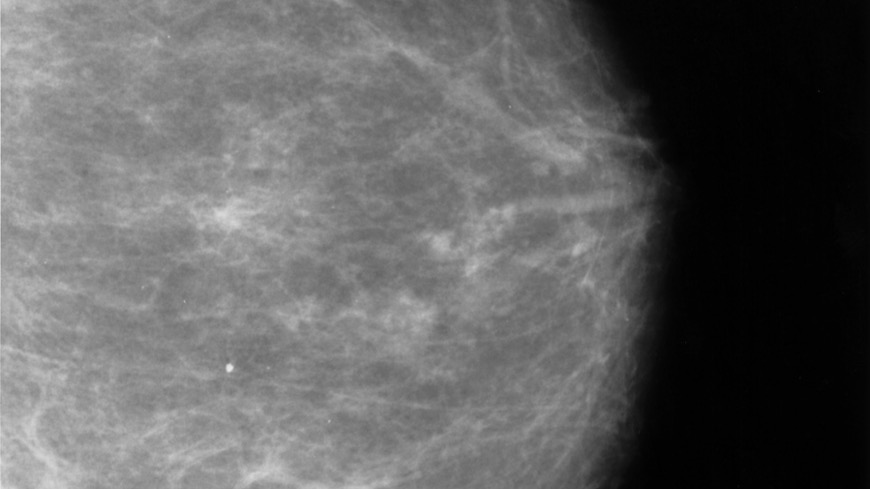
The final results of the MASAI trial, the first randomised controlled trial of artificial-intelligence-supported breast-cancer screening, were published in The Lancet in early 2026. Led by Dr Kristina Lång at Lund University, the trial randomised more than 100,000 Swedish women to either AI-supported reading or standard double reading by two radiologists. AI support was associated with a 12% reduction in interval cancers, the cancers that surface between scheduled screens (1.55 per 1,000 women screened, against 1.76 in the control group).
The reduction was concentrated in the cancers that matter most clinically. The AI-supported group had 16% fewer invasive interval cancers (75 versus 89), 21% fewer large cancers (38 versus 48), and 27% fewer aggressive, non-luminal-A subtype cancers (43 versus 59). False-positive rates were similar between the groups (1.5% versus 1.4%). An earlier interim analysis from the same trial had reported a 44% reduction in radiologists' screen-reading workload.
The result is the strongest evidence to date that AI can improve a screening programme rather than merely match it, and it does so on the endpoint that screening exists to move: fewer advanced cancers diagnosed between rounds. Two caveats limit how far the result generalises. The trial was conducted within a single national programme that already uses double reading, which is not the standard everywhere, so the comparator and the achievable gain differ by country. And the benefit depends on the specific AI system and reading protocol used; it is not a property of "AI mammography" in general.
Sources
Sources: Interval cancer, sensitivity, and specificity comparing AI-supported mammography screening with standard double reading without AI in the MASAI study (The Lancet, January 2026); AI-supported mammography screening results in fewer aggressive and advanced breast cancers, finds full results from first randomised controlled trial (EurekAlert / Lund University, 2026); AI-supported mammography screening results in fewer aggressive and advanced breast cancers (ecancer, 2026); Randomized Trial Shows AI-Supported Mammography Improves Sensitivity and Lowers Interval Cancer Rate (The ASCO Post, February 2026).